


Laser Cutting vs Plasma Cutting: Key Differences in Industrial Sheet Metal Processing

For a long time, plasma cutting has been the standard choice in many metalworking and heavy equipment manufacturing workshops due to its low running costs, high production efficiency and ability to cut thick plates. However, when faced with the quality requirements of OEM orders, as well as issues such as the need for secondary grinding after processing and rising labour costs, many companies are beginning to consider under what circumstances their factories should upgrade from plasma cutting to laser cutting.

What Are Laser Cutting and Plasma Cutting
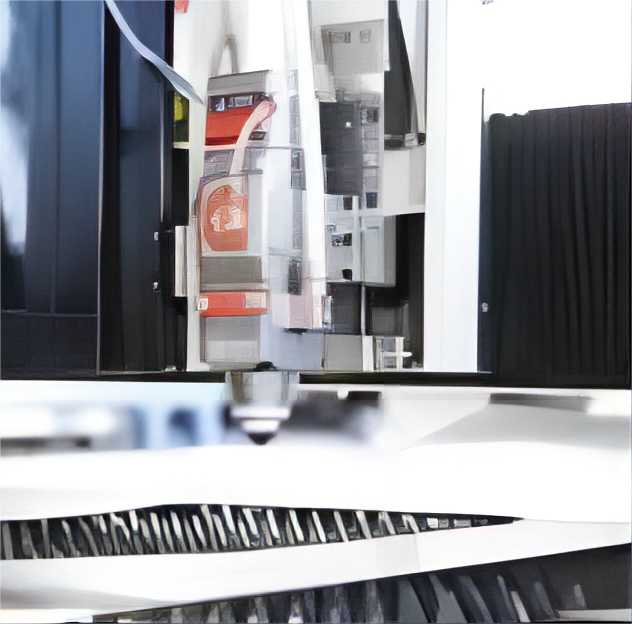
Laser cutting uses a concentrated laser beam to melt or vaporise metal with an extremely high energy density. The key feature of laser cutting is its high precision, as the beam is highly concentrated and the cutting head does not come into direct contact with the material; it is commonly used for thin sheets and complex parts.
Plasma cutting is a thermal cutting process that uses a high-temperature plasma arc to melt metal. It is particularly well-suited to thick plates because of its high heat input, which enables it to rapidly melt large amounts of material and maintain a stable cutting speed.
Laser Cutting vs Plasma Cutting: Key Differences For Manufacturers
When purchasing equipment, many factories focus solely on the machine’s power output and operating speed, whilst overlooking certain hidden indicators; it is this information, concealed behind the figures, that truly determines the total manufacturing cost and downstream yield rate.
|
Factor |
Laser Cutting |
Plasma Cutting |
|
Cutting accuracy |
±0.03-0.08mm |
±0.5-1.5mm |
|
Kerf width |
0.1-0.3mm |
2-5mm |
|
Heat affected zone |
Small |
Larger |
|
Edge quality |
Smooth |
More dross |
|
Hole accuracy |
Excellent |
Limited |
|
Thin sheet cutting |
Excellent |
Poor |
|
Thick plate cutting |
Limited |
Excellent |
|
Secondary grinding |
Minimal |
Often required |
|
Automation integration |
Excellent |
Moderate |
|
Initial investment |
Higher |
Lower |
What Manufacturing Problems Can Laser Cutting Solve
Problem 1: Poor cutting accuracy affects assembly
Many factories encounter issues with hole position deviations, meaning parts cannot be assembled directly and require manual reworking. In industrial fans and HVAC equipment, hole accuracy directly affects welding positioning and assembly efficiency. Laser cutting can produce more accurate holes with greater consistency.

Problem2:Additional Labor Cost
The biggest issue with plasma cutting lies in secondary processing; many factories need to assign dedicated staff to carry out reworking such as edge grinding and surface cleaning, which leads to longer processing times and inconsistent product quality. Laser cutting provides clean surfaces and reduces labour costs.

Problem 3: Heat-Affected Zone Influences Welding Quality
Plasma cutting results in a large heat-affected zone, which can lead to issues such as material deformation and inconsistent welds. For manufacturing companies requiring precise assembly, the quality of the cut directly affects subsequent processes. Laser cutting minimises thermal deformation and edge irregularities.
Problem 4: Low Material Utilization Increases Cost
Material costs are typically one of the largest expenses for metal manufacturing companies. Although the electricity costs associated with plasma cutting are slightly lower, the nozzle and electrode are high-wear items that need to be replaced frequently during continuous, high-intensity cutting, resulting in high consumables costs.
Problem5:Difficulty Integrating Automation

Modern automated equipment requires consistent dimensions and repeatable quality. Laser cutting meets the requirements for consistent dimensions in processes such as automated loading, robotic sorting, CNC bending and robotic welding.
Problem 6: OEM Customers Require Higher Quality Standards
With an increasing number of export-oriented manufacturers facing higher standards and more consistent production demands, laser cutting helps them achieve consistent quality, repeatable production and easier-to-use controls.
Material and Thickness Selection Guide
|
Material / Thickness |
Recommended Process |
|
Stainless steel 0.5-12mm |
Laser Cutting |
|
Aluminum 0.5-10mm |
Laser Cutting |
|
Carbon steel 0.5-20mm |
Laser Cutting |
|
Carbon steel 20-40mm |
Depends on requirement |
|
Heavy plate 40mm+ |
Plasma Cutting |
Aluminium and stainless steel are extremely sensitive; plasma cutting is not only very difficult to clean up but also severely compromises the corrosion resistance of stainless steel, so laser cutting is the better option.
For thin and medium-gauge carbon steel sheets, laser cutting offers high speeds, narrow kerfs and zero slag, maximising material utilisation and overall production throughput. For thick plates, laser cutting is the preferred choice when high-precision bolt holes and positioning slots are required; however, if the subsequent process involves a large volume of welding with wide bevels, plasma cutting offers greater advantages.
In the case of extra-thick plates, plasma cutting offers high speeds and is suitable for rough machining in heavy machinery
Industrial Application
As an engineering team with extensive experience in production line automation integration, we have found that switching to laser cutting often brings about transformative changes in the following industries:
HVAC Manufacturing
Thin sheet metal is widely used in heated air ducts and flange joints; the enormous heat input during plasma cutting can cause severe thermal deformation of the thin sheet metal, resulting in uneven duct joints during subsequent assembly and significant air leakage. Laser cutting not only offers high cutting speeds but also excellent cold-cutting properties, ensuring that the unfolded duct components remain perfectly flat.

Industrial Fan Manufacturing
This is the area with which we are most familiar: the streamlined three-dimensional curvature of the multi-blade impeller in a centrifugal fan. If plasma cutting is used, the poor arc accuracy can result in gaps of varying sizes between the blades and the hub during assembly and welding, leading to severe welding stress deformation. Laser cutting, on the other hand, ensures consistent contour accuracy, which directly determines the vibration and fatigue resistance ratings of high-end centrifugal fans.
Pressure Vessel&Steel Fabrication
There is zero tolerance for bevels and micro-defects in the openings cut into the shells and the end caps of pressure vessels; the hardened layer produced by plasma cutting is a source of fatigue cracking and chemical penetration corrosion under high-pressure cycling conditions. Laser welding provides an almost perfect edge, reducing welding defects.

Laser Cutting vs Plasma Cutting: Which One Should Manufacturers Choose?
Choose Laser Cutting When:
Sheet metal thickness is thin to medium
High precision is required
Complex shapes are needed
Production volume is high
Automation integration is important

Choose Plasma Cutting When:
Processing thick steel plates
Large components are required
Cutting speed on heavy materials is priority
Lower initial investment is needed

When Should Manufacturers Upgrade to Laser Cutting
1. Your plasma cutting cannot meet quality requirements
When your customers complain about hole accuracy issues, or problems such as the frequent need for re-machining arise
2. Your factory depends too much on manual labor
After cutting, the edges must be ground to remove slag; manual labour is the bottleneck
3. You are introducing downstream automation
Laser cutting is not just about cutting; it also supports subsequent processes such as forming, welding and assembly. If the initial stage lacks sufficient precision, the subsequent automation will fail.
4. You need higher production flexibility
For different specifications in OEM orders, plasma cutting requires extensive adjustments, whereas laser cutting only requires a programme change.
Why Automation Matters After Upgrading to Laser Cutting
Automated laser cutting systems incorporate processes such as material storage, automatic loading, automatic positioning, laser cutting, intelligent nesting and automatic sorting. They are capable of continuous 24-hour production, reducing reliance on manual labour. Cutting parameters and production data are recorded via a PLC and integrated with downstream processes to ensure consistent and stable assembly.

Is Laser Cutting Worth the Investment?
Many factories are reluctant to upgrade to laser cutting, believing that the price difference between laser and plasma cutters is too great; the time it takes to recoup the investment is one of their major concerns. Total manufacturing costs depend on four factors: reduced labour costs, increased efficiency, improved sheet metal utilisation and enhanced quality.
Plasma cutting requires two general labourers for grinding, plus thousands upon thousands of angle grinder discs and consumables that are used and discarded as and when needed; this cost alone is sufficient to purchase a laser cutting machine in around two years. Plasma cutting produces wide kerfs, and due to the high levels of heat radiation, a gap must be left between parts to prevent warping. Laser cutting produces narrower kerfs, and when combined with intelligent software, sheet metal utilisation can be increased by 5–10 per cent; the long-term savings on sheet metal costs can more than recoup the investment in the machine. Quality issues arising from plasma-cut circular holes being out of round and having steep slopes—resulting in subsequent assembly failures, bolts failing to seat, or coating blistering and peeling at the edges—can lead to customer complaints where a single incident’s cost exceeds the price of the machine itself.
When Plasma Cutting Is Still the Better Choice
Although laser cutting is advanced, plasma cutting is by no means without its merits; in the following specific circumstances, retaining plasma cutting remains a sensible choice:
- Your workshop primarily undertakes the storage and cutting of heavy, thick steel plates for large shipyards, where the tolerance requirement is around 2 mm, and all subsequent welding is carried out manually using wide bevels
- The power capacity of your factory’s electrical network is limited and cannot support the heavy electrical load required by the air compressor, chiller and laser power supply for a laser cutting machine rated at tens of thousands of watts.
- The project involves pipeline installation, maintenance or refurbishment in remote, elevated or mobile locations, requiring the use of a lightweight, compact and portable plasma torch.
FAQ
Can laser cutting replace plasma cutting completely?
No. Laser cutting cannot completely replace plasma cutting. Laser cutting is better for thin and medium thickness materials where precision, edge quality, and automation are important. Plasma cutting is still a practical choice for heavy steel plates, large structures, and applications where cutting thickness is the priority.
What is the maximum thickness that laser cutting can process?
The maximum thickness depends on laser power, material type, and production requirements. Modern high-power fiber laser systems can cut carbon steel above 30mm, but for extremely thick plates over 40mm, plasma cutting is often more economical due to faster piercing speed and lower equipment cost.
Does laser cutting improve welding quality?
Yes. Laser cutting produces smoother edges, smaller heat-affected zones, and more accurate dimensions. This improves part fit-up before welding, reduces welding gaps, minimizes distortion, and helps automated welding systems achieve more stable results.
Why do manufacturers choose fiber laser cutting instead of CO₂ laser cutting?
Fiber laser cutting has become the preferred technology for metal fabrication because it provides higher energy efficiency, lower maintenance requirements, faster cutting speeds on thin metals, and better compatibility with automated production systems compared with traditional CO₂ laser systems.
Can laser cutting be integrated into an automated production line?
Yes. Laser cutting can be integrated with automatic loading systems, material storage towers, robotic sorting, CNC bending machines, and robotic welding cells. This allows manufacturers to build a continuous production workflow with higher efficiency and more consistent quality.
conclusion
In modern metalworking, cutting accuracy is essential for subsequent forming and welding processes. At Altron, we are able to provide one-stop, turnkey solutions encompassing automated cutting, precision cold bending and autonomous welding. Laser cutting is no longer an optional luxury, but rather an essential step for manufacturing enterprises seeking to achieve intensive production and high added value.
If you are planning a complete production line for blanking, surface forming and welding in a new workshop, or if your existing plasma production line is plagued by poor accuracy, excessive slag build-up, low efficiency or environmental fines, please send us your typical part drawings, material specifications, sheet thickness and production cycle times directly. Altron’s team of senior process engineers will provide you with a bespoke process feasibility study and a turnkey production line integration solution within 24 hours!

Related Products
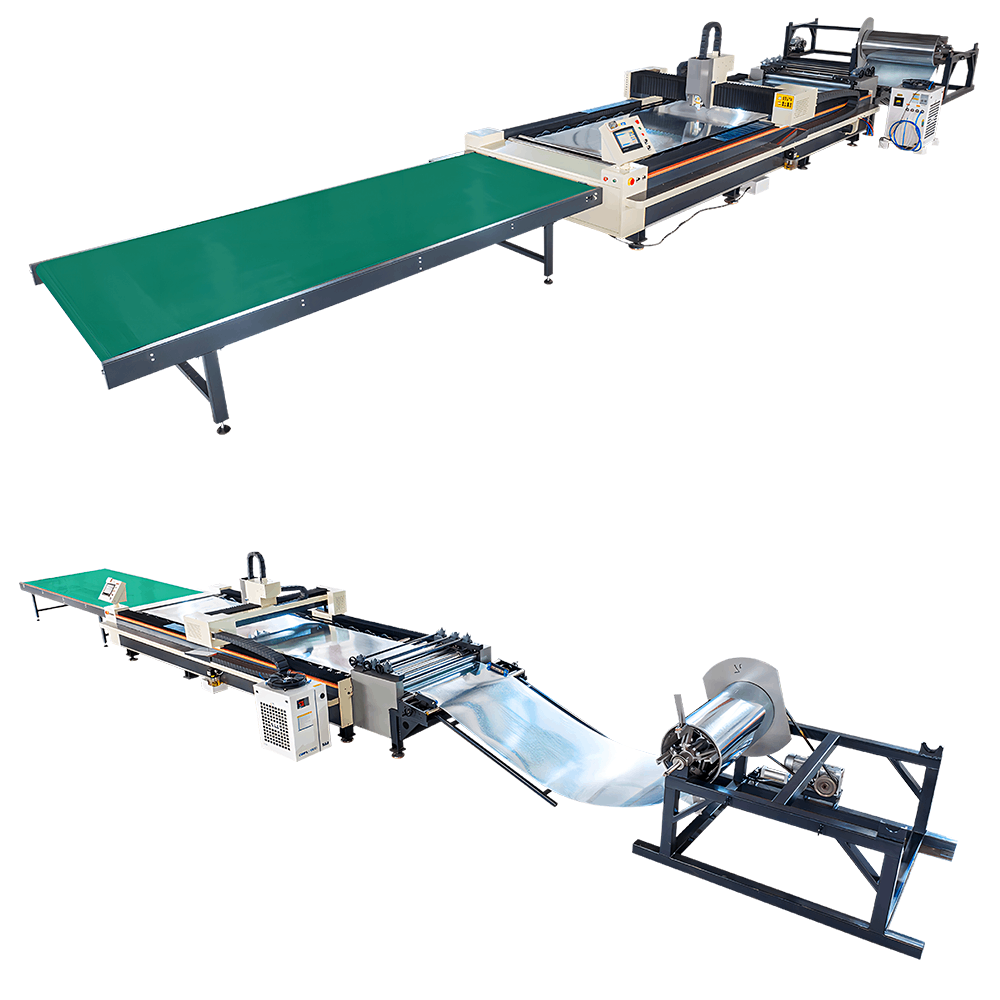
Rolling Disc Platform Laser Cutting Production Line
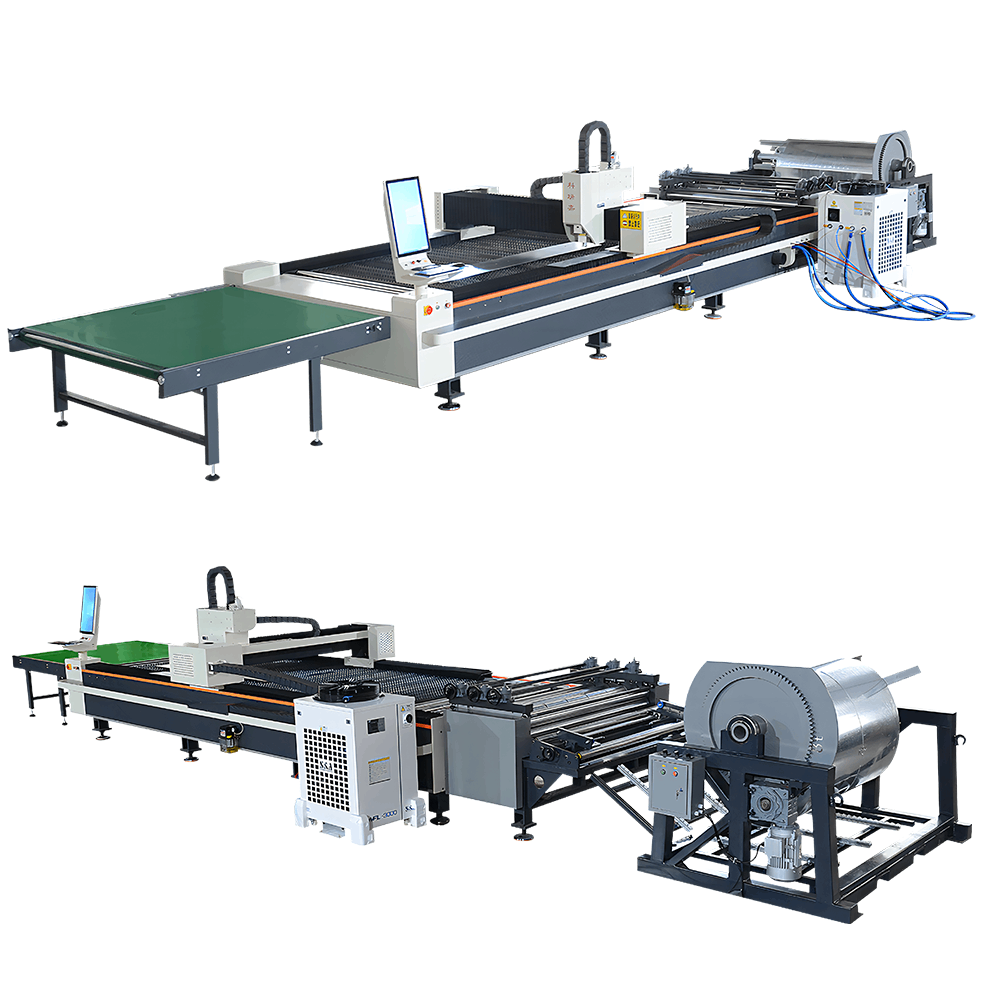
Gear Hobbing Platform Laser Cutting Production Line
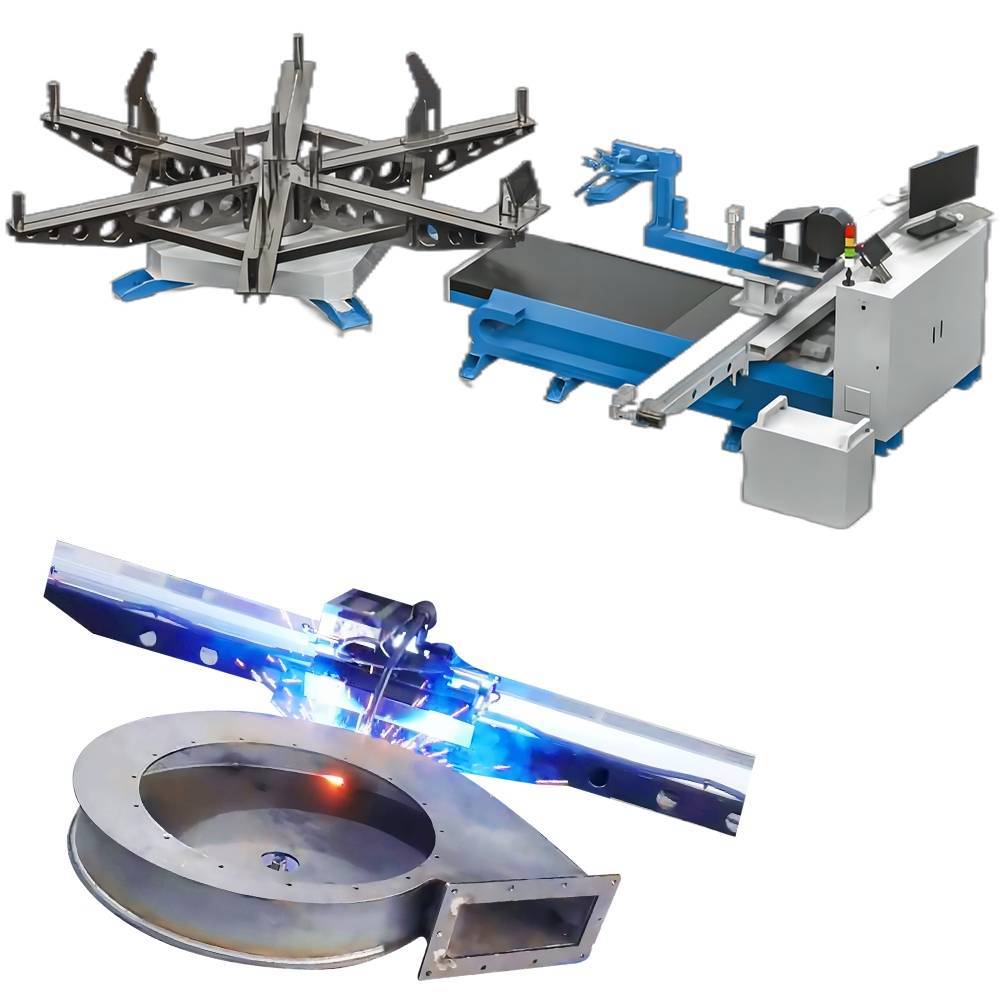
Auto Welding Machine For Centrifugal Fan