


Metal Cutting Saw Comparison: Circular Saw vs Band Saw for Industrial Applications

Modern industrial metalworking workshops face three key challenges: shortening lead times, reducing raw material waste, and lowering unit production costs. When production lines encounter capacity bottlenecks, management often turns its attention to high-end intelligent equipment; however, as field engineers specialising in automation integration, we have found that efficiency losses and quality issues across the entire line often stem from the very first process: saw cutting.

What is a metal cutting saw?
Saw cutting is the first step of metal fabrication. Whether processing steel pipes, structural steel channels, or custom cold-formed sections, saw cutting directly influences three key factors: the cycle time of the entire production line, the utilisation rate of raw materials, and the quality and precision of subsequent welding.
Circular Saw vs Band Saw: How Do They Work?
A circular saw uses a circular toothed blade which, whilst rotating at high speed, is pressed against the workpiece with extreme rigidity; it generally operates on the principle of cold cutting, ensuring that the metal structure is not affected by heat and is less prone to deformation.
Advantages: The extremely high cutting speed makes it ideal for high-volume production, whilst the smooth, consistent cut edges are well-suited to the subsequent welding of precision components and integration into automated production lines.

Driven by an electric motor, the band saw causes the saw blade, which is tensioned on the drive pulley, to perform a continuous linear reciprocating motion, whilst the saw head feeds towards the workpiece to cut through the metal.
Advantages: It can easily cut H-section steel with extra-large cross-sections, extra-thick-walled steel pipes and large-sized workpieces, and is capable of processing alloys of various specifications and complex shapes.

What Manufacturing Problems Can Different Sawing Solutions Solve?
Problem 1:Poor Cutting Accuracy Affects Welding and Assembly Quality
In the manufacture of industrial fans, many components—such as impellers and fan bases—require precise assembly prior to welding. If cutting accuracy is not up to standard, this may result in uneven distribution of welding stresses, assembly deviations, and dynamic balancing issues.
root cause:
Band saw cutting accuracy may be affected by:
- blade deflection
- improper blade tension
- excessive feed pressure
- blade wear
Recommended solution: Precision circular saw cutting; circular saws use rigid bladed provide better perpendicularity, stable dimensions, and repeatable production quality

Problem2:Excessive Burrs Increase Secondary Processing Cost
In many pipe manufacturing processes, there is a hidden cost associated with secondary processing: once cutting is complete, manual deburring and surface cleaning are still required. In high-volume production, if it takes 30 seconds to deburr each part, 2,000 steel pipes would result in an additional 16 hours of labour.
Root cause: unsuitable blade selection
- Unstable cutting parameters
- Excessive blade wear

Recommended solution: Selecting a cold circular saw with proper blade selection to provide a cleaner cutting surface, lower burr formation, and reduced manual finishing
Problem3:Material Waste Increases Manufacturing Cost
In the tube processing and steel pipe manufacturing industries, materials account for one of the highest costs in metalworking; even an extra 5 mm of allowance per component, when cutting thousands of components each month, results in several tonnes of steel being wasted each year.
Root cause: traditional cutting process relies heavily on manual measurement and operator experience
Recommended Solution: CNC Automatic Sawing System including servo feeding, CNC length control, and automatic optimization, which benefits higher material utilization, less scrap, and repeatable production quality
Problem4:Need to Process Large Heavy Materials
Not all factories require high-speed precision cutting; the ability to cut thick-walled pipes and large solid steel bars is more important.

Recommended Solution: The heavy-duty band saw offers powerful cutting capabilities, is suitable for workpieces of any size, and can handle workpieces with great flexibility.
Circular Saw vs Band Saw: Key Differences for Manufacturers
|
Factor |
Circular Saw (Cold Saw / TCT Saw) |
Band Saw |
|
Cutting speed |
High: 20–150 m/min (depends on material and blade type). Suitable for high-volume production |
Medium: 10–80 m/min. Better for large sections and heavy materials |
|
Accuracy |
±0.05–0.2 mm length accuracy, excellent perpendicularity |
±0.2–1.0 mm depending on blade condition and material size |
|
Surface finish |
Smooth cutting surface, Ra 3.2–6.3 μm, minimal burr, often no secondary finishing required |
Rougher surface, Ra 6.3–12.5 μm, may require deburring |
|
Kerf |
2–4 mm (depends on blade thickness and diameter) |
0.9–2.0 mm, lower material loss |
|
Material size |
Usually suitable for small and medium sections (<150–250 mm diameter) |
Suitable for large sections (>250 mm), H-beams, thick pipes, solid bars |
|
Blade cost |
Higher initial cost: $200–2,000+ per blade, but can be resharpened 10–20 times |
Lower cost: $20–300 per blade, but replaced more frequently |
|
Automation capability |
Excellent: automatic loading, CNC feeding, length control, sorting, robotic integration |
Good: automatic feeding available, but slower cycle time and less suitable for high-speed lines |
|
Production mode |
Best for high-volume, repeat production (OEM, mass manufacturing) |
Best for low-volume, flexible production and heavy fabrication |
Sawing Selection Guide: Which Saw is right for your industry
Why fan industry use circular saws?
For OEM manufacturers of industrial fans and ventilation equipment, the primary concerns are welding quality and dynamic balancing. In industrial centrifugal or axial flow fans, structural components such as carbon steel pipes and angle sections are extremely sensitive to tolerances. If a band saw is used to cut the end ports, errors in the bevel angle will cause the welds to vary in size during the assembly and welding of the frame. Furthermore, in an attempt to fill the welds completely, excessive welding wire is often applied, generating significant thermal stress that causes the entire frame to warp.

Any unevenness in the frame or dimensional deviations in the blade connection components will be directly transmitted to the high-speed rotating impeller; even the slightest deviation can cause the dynamic balancing test to fail, leading to casing cracks during actual operation.
The circular saw system provides extremely high dimensional accuracy and vertical cuts, ensuring a uniform welding gap without the need for secondary grinding.
Why HVAC industry use a circular saw?

The HVAC industry is characterised by high-volume production and fast production cycles, making it prone to air-tightness issues. In the manufacture of duct frames and connecting flanges, if the cut-to-size dimensions are inconsistent or the cut edges are burr-free, misalignment of joints and deviations in diagonal measurements are highly likely to occur during cold-forming and flange assembly. This can lead to difficulties during on-site installation and may even result in the project failing inspection at final acceptance due to air leakage through flange gaps.
Automatic circular saws, coupled with servo-driven automatic clamping systems, meet the demands of high-throughput production. The high-speed cold cutting performed by the circular saw ensures that cut edges are free from thermal deformation and burn marks, whilst guaranteeing dimensional consistency, thereby reducing the risk of air leakage during duct installation at source.
Why steel construction industry prefer a band saw?
In heavy-duty steel structure and bridge engineering, the key challenge lies not in achieving extreme micron-level precision, but rather in physical cutting capacity and adaptability to large cross-sections. Large H-sections or heavy solid steel ingots have enormous cross-sections; by utilising guide blocks with adjustable spans to tension the saw blade, band saws can achieve smooth penetration of these oversized cross-sections with a relatively low capital outlay.

The band saw’s exceptional physical cross-sectional cutting throughput is well-suited to heavy-duty structures and steel building frameworks.
Automotive & Precision Components
In the automotive and precision manufacturing sectors—such as the machining of solid bars made from high-strength alloy steel—the focus is on repeatability and automated integration. These processes often demand extremely high levels of precision; in the modern automotive supply chain, every additional step of manual grinding to remove burrs introduces an extra potential quality risk and increases labour costs.
The high-speed cold cutting performed by circular saw systems produces smooth cut surfaces that meet direct assembly and production line standards, enabling seamless integration with automated loading/unloading magazines and welding robots. The high repeatability of circular saw machines is fundamental to ensuring stable robotic welding without perforation or burn-through.

General Metalworking Workshop
Flexibility is a key feature of general-purpose metalworking workshops. The exceptional processing flexibility and material compatibility offered by band saws mean they can handle virtually all metal materials and shapes—whether thin-walled aluminium sheets or carbon steel tubes. With a band saw, one simply needs to replace the saw blade with one featuring a different number of teeth to suit the material. For workshops engaged in non-continuous, high-volume production, band saws are simple to operate and have a low initial purchase cost, making them the most cost-effective general-purpose cutting tool for small and medium-sized workshops.
How to Choose Between Circular Saw and Band Saw?
Choose Circular Saw if: high production volume, tight tolerance requirement, automated production line, and need a clean cutting surface
Choose Band Saw if: large material size, heavy structural steel, flexible production, lower initial investment
Saw Blade Selection: The Hidden Factor Affecting Cutting Performance
Many manufacturing companies focus solely on the machine’s power, cutting performance and speed when selecting sawing equipment; however, in actual production, sawing performance is not determined by the equipment alone—the choice of saw blade is also a key factor affecting cutting speed, surface quality and costs. Even when purchasing a sawing machine of the same model, selecting the wrong blade can lead to problems such as excessively slow cutting speeds, overheating of the material and high operating costs.
Circular Saw Blade Selection
The main types of circular saw blades are HSS (High-Speed Steel) and TCT (Tungsten Carbide Tipped). HSS blades are manufactured from high-speed steel and offer high impact resistance; they are suitable for a wide range of rigid materials and can be re-sharpened repeatedly. They are ideal for carbon steel pipes and structural steel pipes, as well as medium-volume production. However, due to their limited cutting speed, they are not suitable for ultra-high-speed or large-scale automated production lines.
TCT (Tungsten Carbide Tipped) saw blades possess greater hardness and can withstand higher cutting speeds and feed rates. They are the most commonly used cutting tools in modern automated production, offering superior precision and a smoother cut surface compared to HSS blades, and are suitable for fully automated production lines and high-volume production.
Band Saw Blade Selection
The performance of a band saw is largely determined by the blade material, tooth pitch and tooth geometry.
Bi-metal band saw blades are the most commonly used in industrial band saws; they offer high durability and impact resistance, making them suitable for a range of materials such as structural steel, stainless steel and alloys.
Carbide band saw blades are used for difficult-to-cut materials such as hardened steel and titanium alloys. They offer extremely high wear resistance and cutting efficiency, but are more expensive.
TPI: The Key Parameter of Band Saw Performance
TPI refers to the number of teeth per inch on a saw blade. Saw blades with a wide tooth pitch are suitable for large solid bars and thick material, but an excessively wide tooth pitch can cause severe vibration and result in a rough cut surface. A fine tooth pitch is suitable for thin-walled tubes and small profiles; however, an excessively fine pitch reduces cutting speed and can lead to overheating.
Automated Sawing Line: From Raw Material to Finished Parts

The most pressing issue in traditional sawing workshops is often not whether the sawing machine itself can cut, but rather the reliance on manual labour and bottlenecks in the production process. The manual loading and unloading of heavy-duty tubular materials is a major burden; these auxiliary operations take longer than the actual cutting time. Changing settings for workpieces of different dimensions relies entirely on manual adjustment, making it impossible to produce consistent quality within a single batch. The resulting parts have irregular burr sizes and require secondary processing before they can proceed to the next stage. Whilst manual expertise is becoming increasingly valuable, labour costs are rising and overseas customers’ quality requirements are becoming ever more stringent. Consequently, upgrading from isolated, stand-alone sawing machines to fully automated sawing cells is becoming the choice of an increasing number of factories.
What is an automated sawing line?
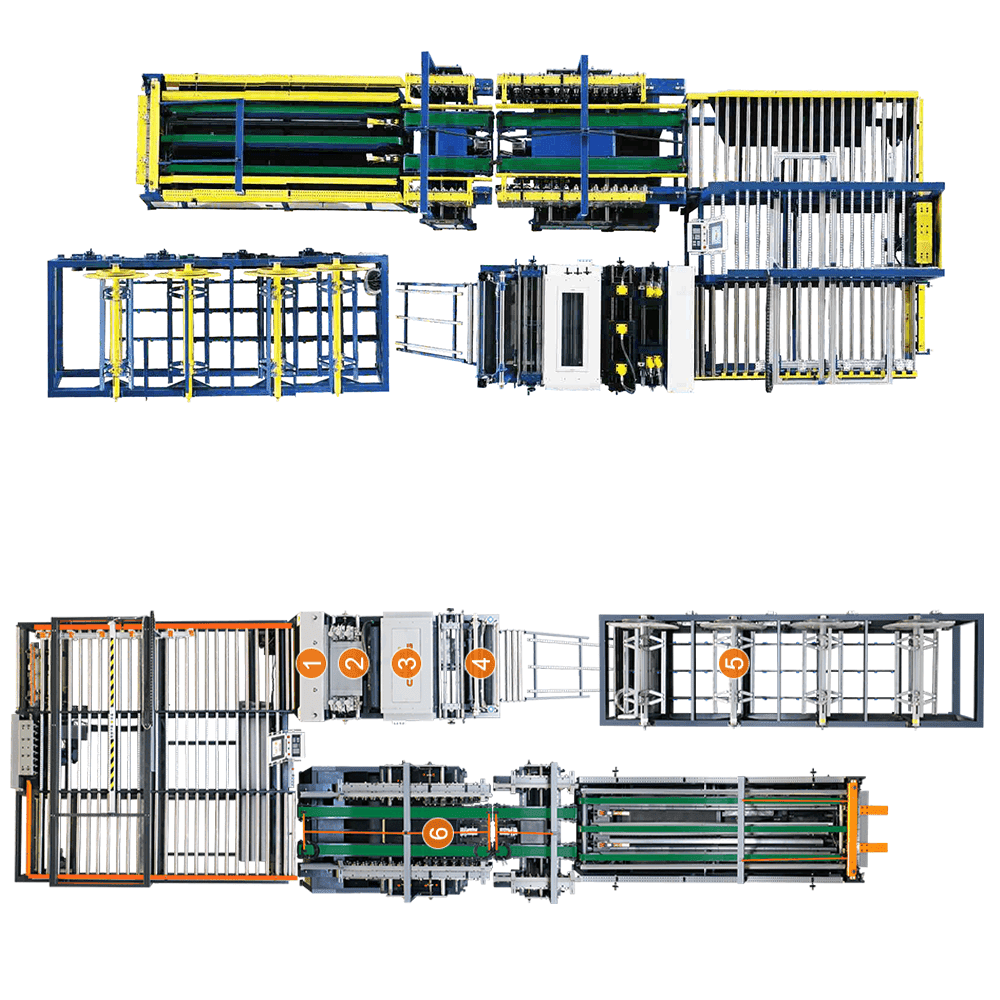
An automated sawing line is a continuous manufacturing unit that highly integrates CNC technology, servo drives, robotic vision, and robotic arms. It comprises an automated raw material warehouse, servo feeding, high-precision CNC sawing, automatic deburring and chamfering, sensor inspection and robotic sorting. Automatic identification and handling significantly reduce the physical labour involved in moving heavy loads, whilst also minimising safety risks associated with manual labour. Servo motors and CNC systems match the optimal cutting parameters once material properties, wall thickness and tool specifications are input, thereby eliminating the inconsistencies caused by manual intervention. Automatic deburring and quality inspection ensure that workpieces coming off the line immediately meet welding and assembly standards.
Automated sawing completely eliminates the reliance on skilled labour whilst delivering exceptional production stability; operating 24 hours a day with consistent servo precision and cutting parameters ensures that the first part is identical to the 10,000th part. Furthermore, by integrating into the Industry 4.0 digital manufacturing ecosystem, the automated sawing line is no longer a data silo; through seamless integration with the factory’s MES and ERP systems, it enables functions such as automatic order dispatch to the sawing machines, raw material utilisation monitoring, and saw blade remaining life alerts.
When should I upgrade to an automated line
If your workshop is facing high risks associated with material-handling operations, high staff turnover and frequent accidents, and whilst production capacity has increased significantly, issues such as material handling and cutting are causing a major bottleneck, and downstream processes have introduced welding robots but are experiencing frequent error reports, then upgrading to an automated sawing line should be put on the agenda.
FAQ
Which saw machine is better for automatic production lines?
Circular saws are generally better suited for automated production lines because they provide faster cycle times, stable dimensions, and easier integration with automatic loading, CNC feeding, and robotic systems.
Why does cutting accuracy affect welding quality?
Cutting accuracy directly affects the assembly gap before welding. Incorrect dimensions can create uneven welding gaps, requiring more filler material and increasing welding deformation.
What factors should be considered when buying a metal cutting saw?
Manufacturers should evaluate: Material type, Maximum cutting size, Production volume, Required tolerance, Automation requirements, Future expansion plans
Should manufacturers replace band saws with circular saws?
Not always. The right choice depends on production requirements. Circular saws are ideal for high-volume precision manufacturing, while band saws remain the better solution for large and heavy materials.
What is the ROI of an automated sawing system?
ROI depends on labor cost, production volume, material savings, and quality improvement. Many manufacturers achieve faster returns by reducing manual handling, increasing uptime, and eliminating secondary processing.
conclusion
There is no such thing as a perfectly ideal sawing machine; there is only the engineering solution that best suits your product material, output, and quality requirements. Sawing is merely the first step; true improvements in manufacturing efficiency come from the integration of the entire production line. At Altron, we do not simply sell stand-alone equipment; we specialise in creating complete automated production lines for our customers, deeply integrating automated sawing systems, precision cold-forming machines, robotic welding stations and industrial fan-based dust extraction systems.
If you are planning a new workshop or upgrading an existing cutting production line, please contact our team of process engineers directly. Altron will provide you with a free assessment of your product drawings and a layout proposal for the entire production line!

Related Products
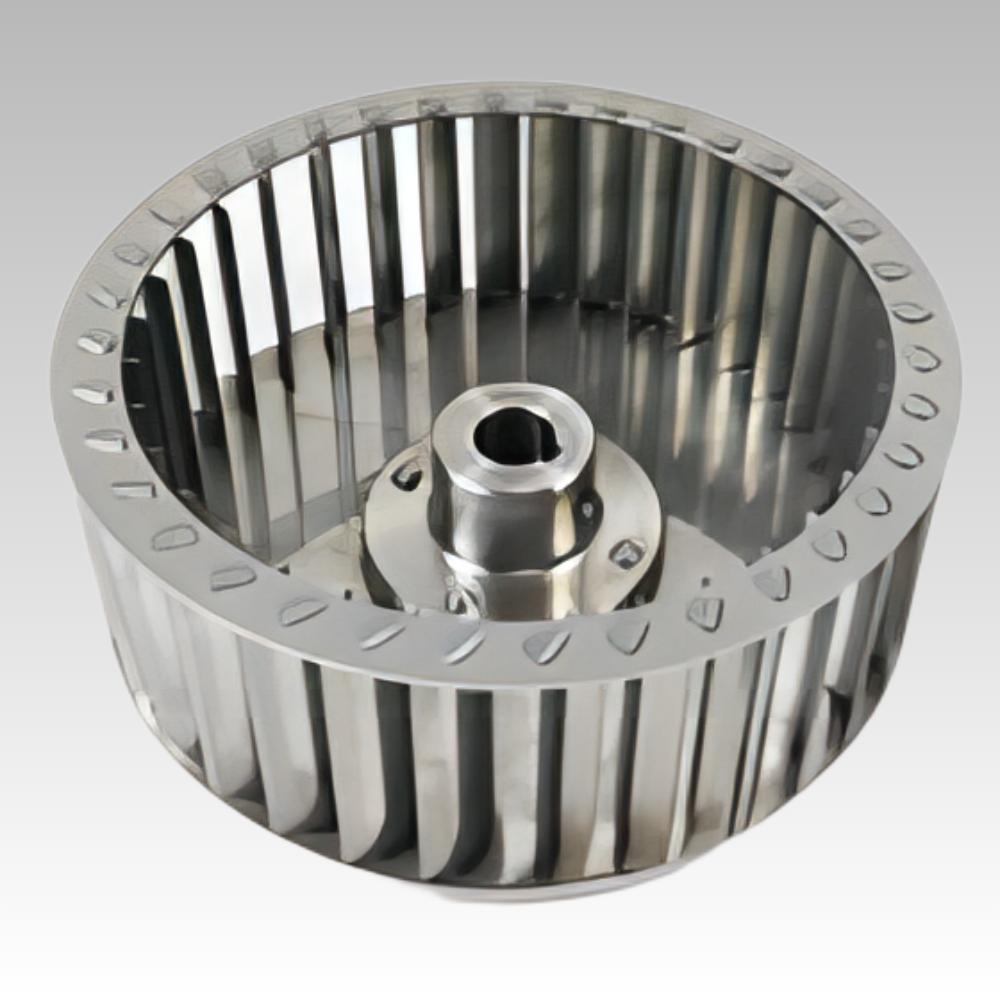
Stainless Steel Multi-Blade Impeller
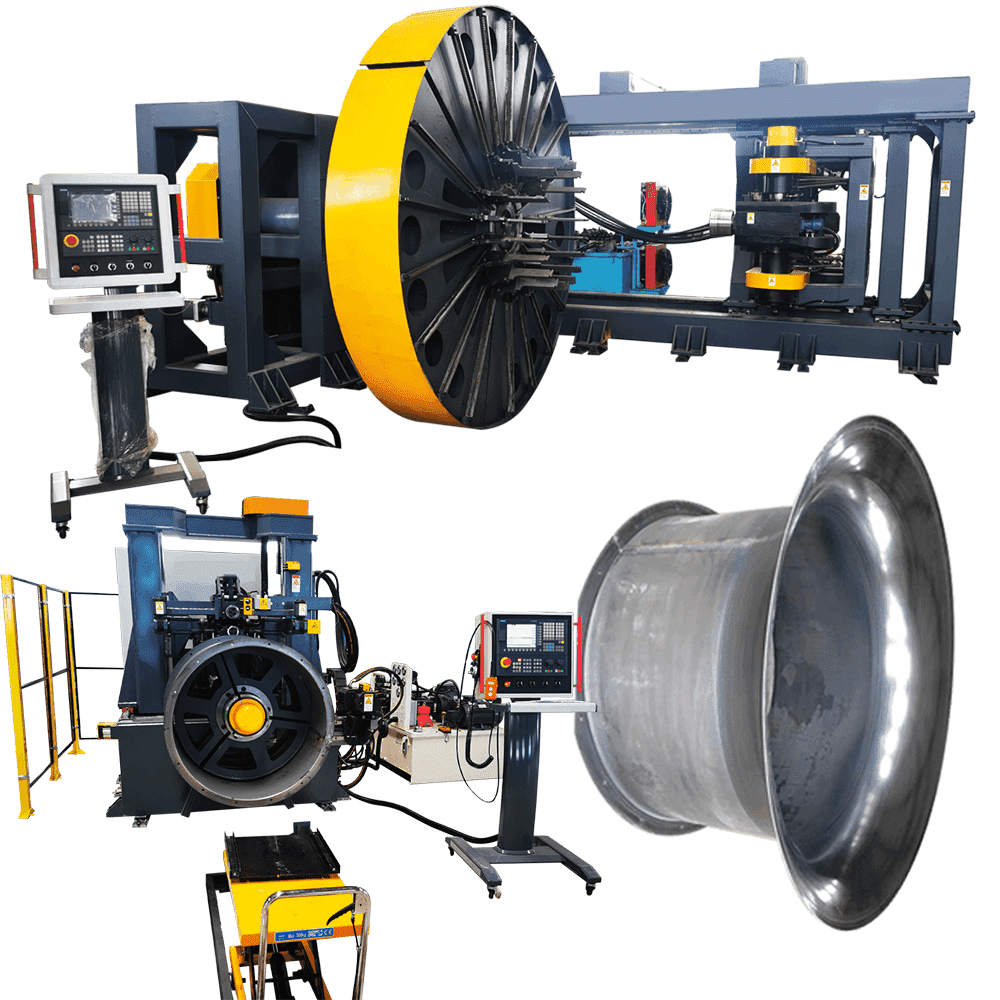
Flanging machines For Axial Flow Fans
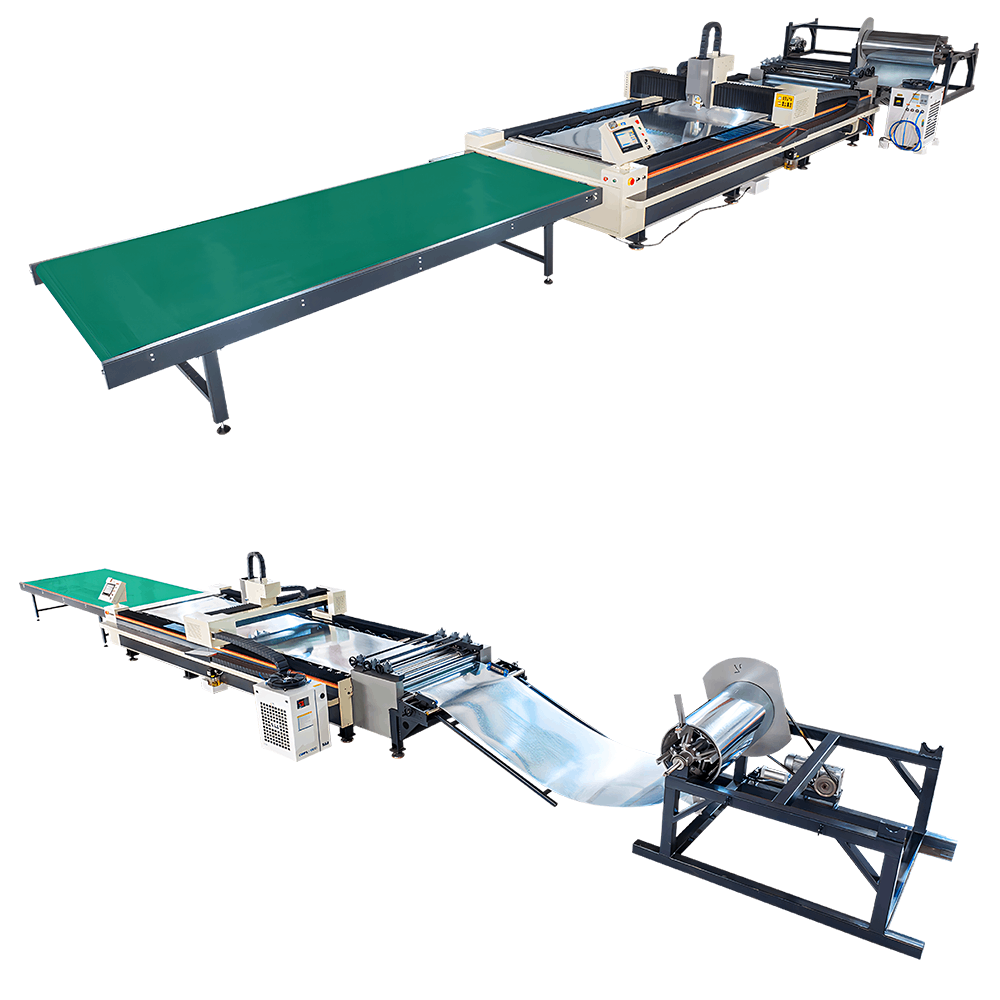
Rolling Disc Platform Laser Cutting Production Line