

Understanding the different types of CNC metal spinning machines helps manufacturers make informed choices based on their production needs.
Choosing the right metal spinning machine is crucial to your production efficiency, quality consistency, and manufacturing flexibility. Understanding the different types of metal spinning machines helps manufacturers make informed choices based on their production needs.
Selecting top-grade metal spinning equipment can improve the quality of finished products, reduce production costs, and ensure that the technical performance meets the application requirements of metal spinning operations.
What is Metal Spinning?
Metal spinning is a highly efficient metal forming process. During the process, the operator secures a circular blank to a spinning lathe. As the blank rotates, rollers apply pressure to its surface, causing continuous plastic deformation to complete the process.
Common types of metal spinning machines on the market
Manual spinning machine: This type of machine requires higher skill levels from operators and is particularly suitable for small batches or custom orders, such as handmade lamp production.
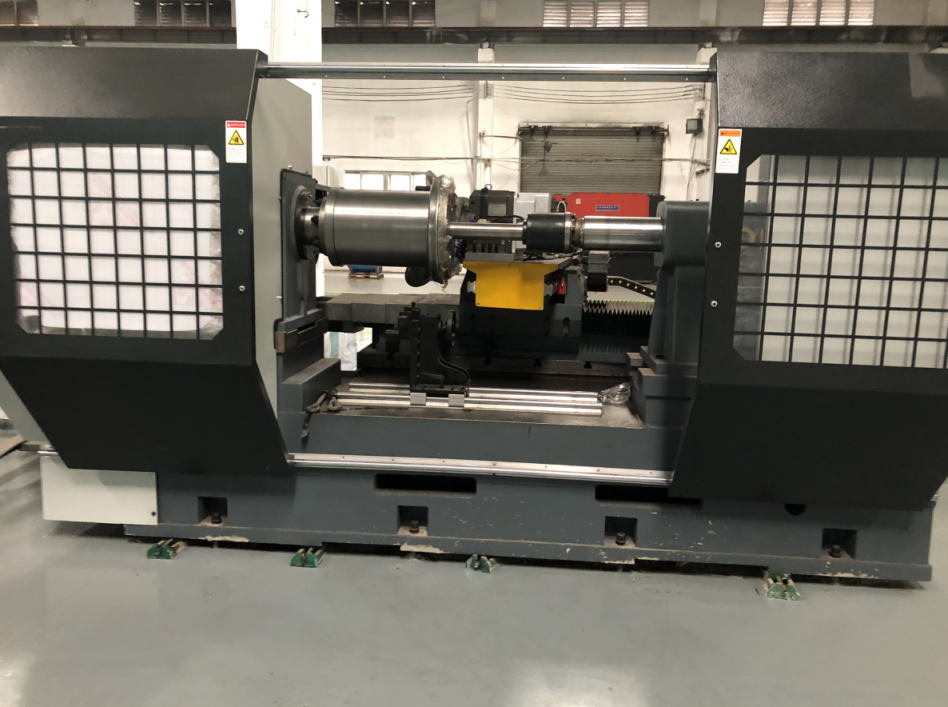
Computer Numerical Control (CNC) spinning machine: CNC machines can precisely control the spinning process, making them suitable for large-scale production.
Semi-automatic spinning machine: This type of machine falls between manual spinning lathes and CNC metal spinning machines; while it utilizes machine-driven mechanisms for operation, processes such as workpiece clamping and tool adjustment still require manual intervention by an operator.

How to Choose the Right Metal Spinning Machine for Your Project?
When choosing a suitable CNC metal spinning machine in China, the first considerations are the diameter, material type, thickness, and production volume of the parts. Single-axis models are suitable for flexible production, while multi-axis systems are better suited for heavy-duty or high-precision forming tasks. Additionally, consider your automation needs and whether specific applications require customized configurations to ensure the machine not only meets your current production needs but also adapts to long-term growth requirements.
Next, I will explain in detail how to choose a machine suitable for your production.
1. Material and Thickness to be Processed
You need to determine the type of metal to be processed based on your production plan, such as aluminum, carbon steel, etc. Since different machine models have different load capacities, you need to pay attention to the thickness of the metal sheet to be processed.
2. Workpiece Dimensions
The key to choosing a metal spinning machine is understanding the maximum diameter and height of the product. Large workpieces require high-powered machine tools.
3. Operating Efficiency and Automation Level
Highly automated machine tools can reduce manual labor and improve operating efficiency to a certain extent. If you need to improve efficiency and reduce production costs, a CNC spinning machine is a suitable choice.
4. Machining Accuracy
The repeatability and surface quality of a spinning machine directly affect product quality. Industries with high precision requirements, such as aerospace and automotive, use high-precision machine tools.
Steps to Take Before Purchasing a Metal Spinning Machine
Step 1:Independently identify and clearly define your most fundamental and core requirements.
Step 2:Determine the specific type of machine (equipment model) required.
Step 3:Clearly specify the diameter and height dimensions of the metal products to be spun.
Step 4:Clearly specify the thickness specifications of the raw sheet metal material.
Step 5:Clearly specify the material type of the products to be spun.
Step 6:Determine the CNC spinning process, or complete the spin process testing before placing the order.
Step 7: Discuss with sales engineers, initiate inquiries, and request price quotes from equipment suppliers.
What industries can metal spinning machines be used in?
They have a wide range of CNC metal spinning applications, suitable for many industries with extremely high requirements for precision and durability. Specifically, these include:
Blower and Air Conditioning Industry: Manufacturing large-diameter Industrial fans impellers
Aerospace Industry: Producing turbine engines and aircraft components
Automotive Manufacturing Industry: Capable of mass production
Lighting and Decoration Industry: Producing lampshades, etc.
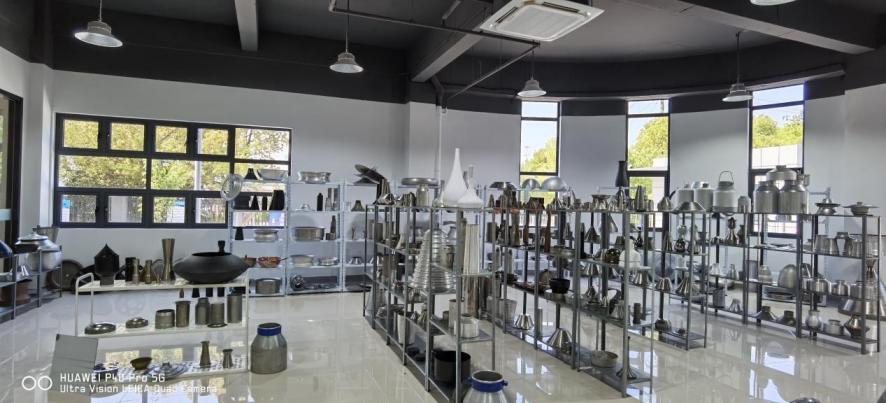
Advantages of using a metal spinning machine
1. Energy Efficient Operation
Designed with energy-saving systems and an optimised mechanical structure, it reduces power consumption while maintaining high performance and improving overall production efficiency.
2. High Repeatability & Stability
Advanced CNC control ensures high repeatability and stable operation, delivering consistent product quality and precision across batch production and complex forming processes.
3. Spin forming appearance
The process produces seamless products without the need for welding or joining. Furthermore, it ensures uniform wall thickness, thereby enhancing both the overall aesthetic appeal and functionality of your finished products.
4. Customized CNC metal spinning configuration
Machines can be customized based on diameter, thickness, material type, and process requirements, providing tailored solutions for different industries and applications.
Key maintenance measures to extend the service life and improve the performance of metal spinning machinery
When a spinning machine is used for an extended period in your factory, regular maintenance is key to ensuring high precision and a long service life.
The key measures include: regular inspection of component wear, calibration of parts, lubrication of moving parts, and timely replacement of worn parts. Regular maintenance can prevent malfunctions, ensure smooth operation of equipment, and save costs and time in the long run.
Metal Spinning Machine Buyer’s FAQ
Can metal spinning machines meet the needs of mass production?
Yes, CNC metal spinning machines can achieve mass production while ensuring consistency of products in the same batch.
What materials can metal spinning machines process?
Metal spinning machines can process various materials, including aluminum, brass, copper, and stainless steel. The choice of which material to use depends on your production plan.
Compared to other metalworking processes, what are the advantages of metal spinning?
Unlike forging or casting processes, this process does not require molds, significantly reducing initial costs and giving the design greater flexibility.
What Factors Affect the Performance of CNC Metal Spinning Machines?
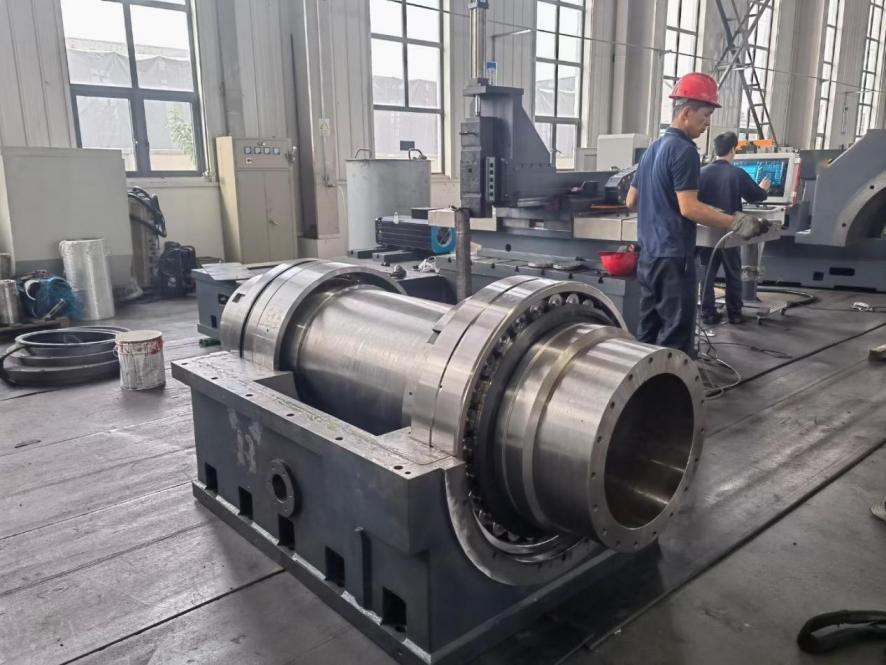
Factors affecting the performance of CNC metal spinning machines include spindle power, machine rigidity, CNC accuracy, and roller design. The type and thickness of the material also have a significant impact on the forming results. Furthermore, the selection of appropriate spinning wheel tools and process parameters also influences the quality of the final product.
Final Thoughts
Altron company has extensive experience in manufacturing metal spinning machinery suitable for a wide range of processes! Altron’s engineers will provide you with selection options as quickly as possible. If you are interested in our products, please browse our product solutions or contact us for customized solutions. You can also return to Altron’s homepage to learn more about the applications of our equipment.
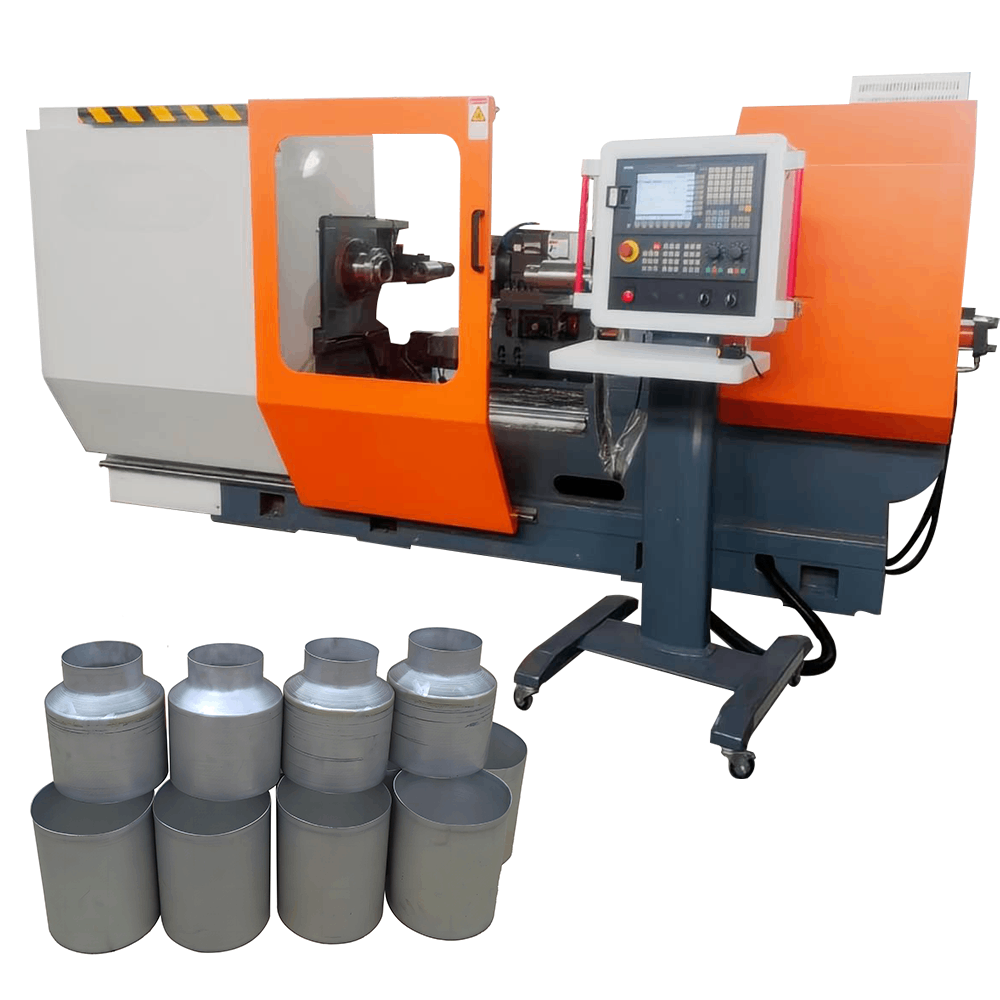
CNC Metal Spinning Machine -Single Roller AC1000
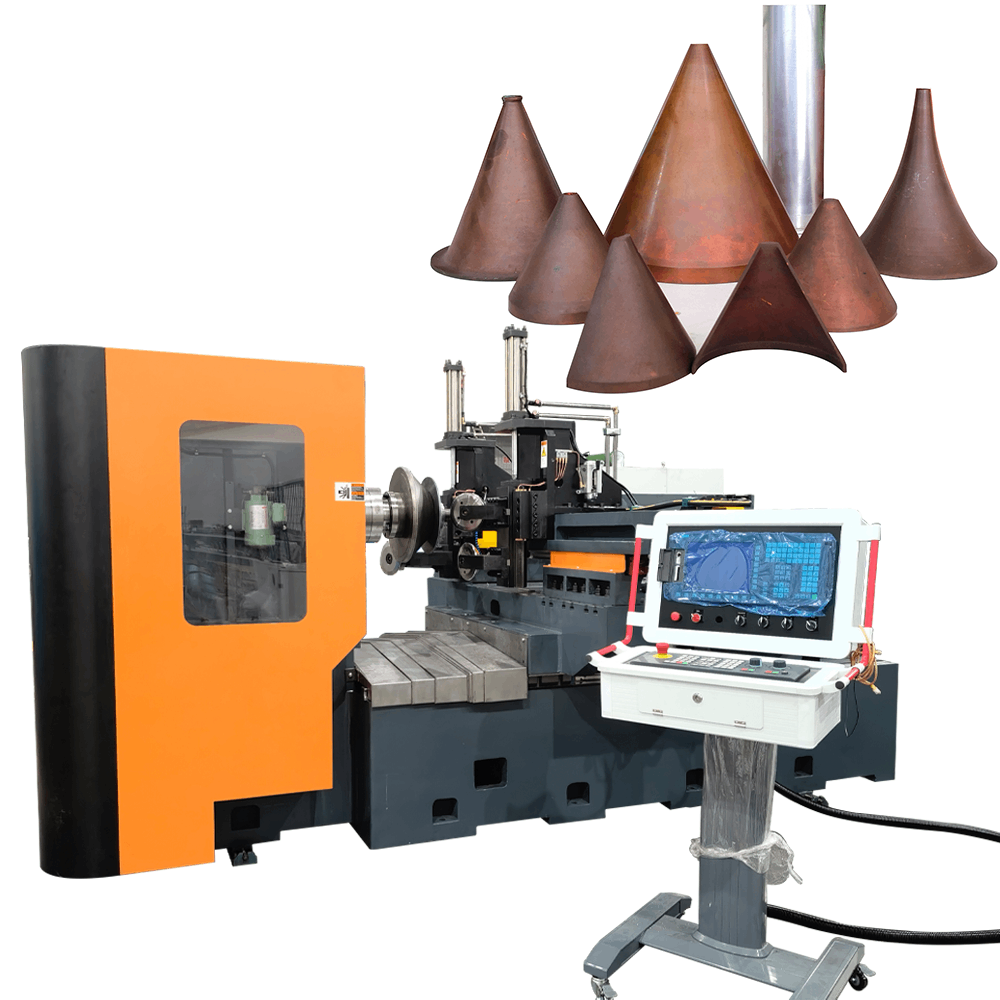
CNC Metal Spinning Machine -Double Roller AC-D1100
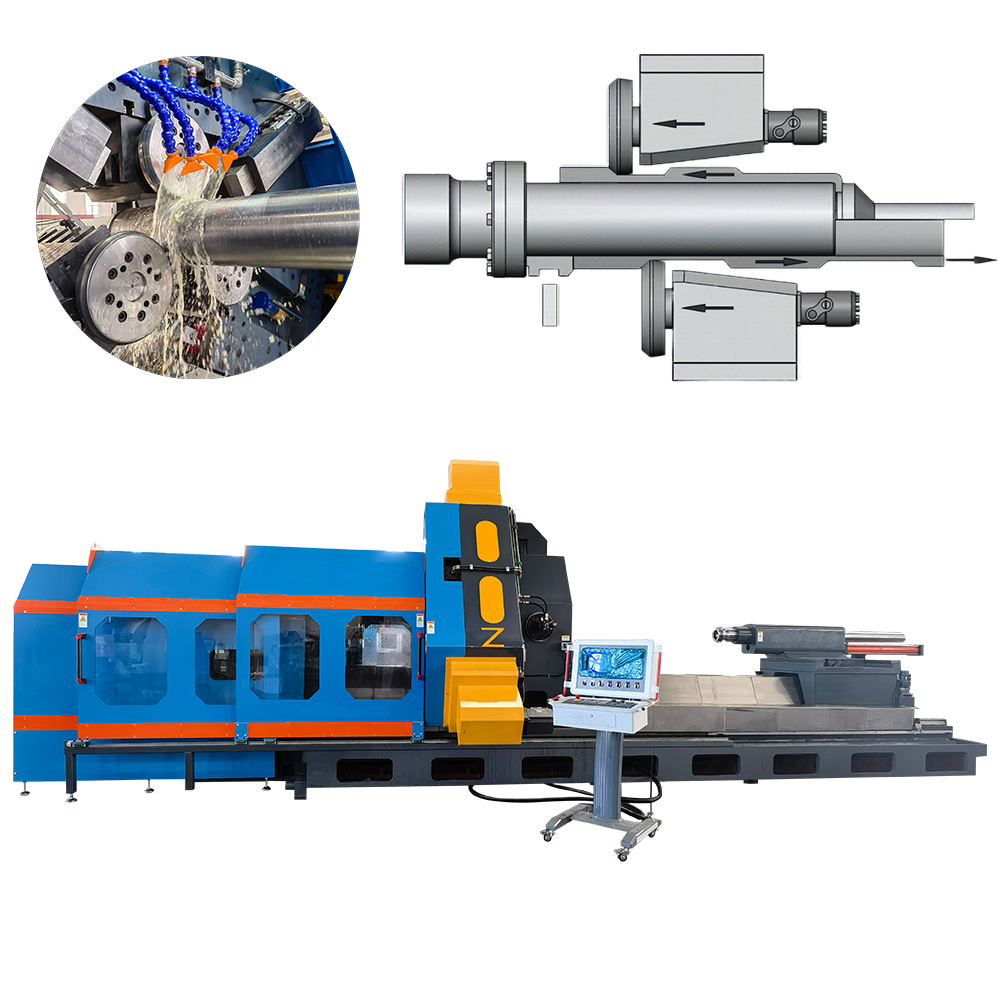
CNC Flow Forming 3-Wheel CNC Spinning Machines