



Choosing Altron's Seam Welding can effectively solve these problems, ensuring the quality of product welding and providing technical services
In your Seam Welding process! Do you often encounter issues with unstable welds, warping, or poor product consistency during welding operations? These problems not only impact production efficiency but also increase production costs.
Choosing Seam Welding can help you effectively resolve these issues and ensure product quality. In this article, we’ll discuss common problems with welds and provide solutions.
Seam Welding Process
1. Material Preparation
You need to prepare the raw materials, clean the surfaces of grease and rust, check the thickness and dimensions of the sheets, cut them to size as needed, ensure the surfaces are clean and the dimensions are precise, minimize scrap, and improve production efficiency.
2. Clamping / Positioning
In this step, you need to secure the panels with clamps, align the welds, and ensure the panels remain stable during welding. This will ensure that the welds are properly aligned and uniform.
3. Seam Welding
In this step, the two plates are continuously welded along the straight seam to form a complete, sealed structure for the pipe or tank. The choice of welding method depends on the plate thickness, weld requirements, and production volume, ensuring consistent weld quality and more efficient production.
4. Cooling / Inspection
This step involves allowing the welds to cool and inspecting their quality after the plates have been welded, to ensure that the finished product is stable, sturdy, and well-sealed. This step is essential, particularly for products that require strong welds, a smooth surface, and a high level of sealing.
Selection of Welding Processes
I will briefly introduce several welding processes commonly used in production. You can choose the appropriate one based on the material, thickness, production volume, and precision requirements.

1. TIG Welding
The TIG welding process is suitable for welding thin sheets, such as stainless steel and aluminum alloys, particularly for products with high aesthetic requirements. It produces attractive weld beads, offers high precision, and causes minimal distortion of the workpiece.
However, it has a relatively slow welding speed, relies heavily on the welder’s skill, and involves high labor costs, making it more suitable for small-batch, high-precision products.
2. MIG Welding
MIG welding is primarily used for medium- to heavy-gauge plates and standard steel structural components. It offers fast welding speeds and high efficiency, and results in lower overall material and labor costs.
However, it produces a significant amount of spatter and yields welds of average appearance, making it suitable for large-scale production in factories.
3. Laser Welding
Laser welding is suitable for precision workpieces made of thin sheet metal, as it offers high welding speeds, minimal thermal distortion, and high welding precision. However, the equipment involves high upfront costs and requires strict alignment of the workpieces, making it more suitable for use in high-end automated manufacturing facilities.
Seam Welding Common Problems
Seam welding is widely used in the manufacture of metal products, but these minor issues can affect weld quality and production efficiency.
1. Poor Weld Seam Quality
If the material surface is greasy or rusty, or if the cut is inaccurate, small pores or cracks are likely to form during welding, resulting in an unreliable weld that may cause the finished product to leak or render it unusable.
2. Misaligned welds, inconsistent joint gaps
If the panels aren’t secured properly or aren’t clamped firmly, they may shift during welding, resulting in crooked welds and an uneven duct or enclosure.
3. Uneven weld thickness or burn-through
If the welding current, pressure, and roller speed are unstable, and the quality of manual welding varies, the welds may be uneven in thickness, or the metal sheets may even be burned through.
4. Workpiece warping or deformation
If the welds cool unevenly, the uneven thermal expansion and contraction of the sheet metal can cause the ductwork or enclosure to warp or buckle, which will affect subsequent assembly.

Root Causes of Seam Welding Defects
1. Equipment Accuracy Limitations
If your machine lacks sufficient accuracy, the weld seam may be uneven or inconsistent, and even a slight misalignment of the sheet metal can easily lead to missed welds or misalignment. The solution is to use high-precision seam welding equipment to ensure a stable weld seam that is consistently high-quality every time.
2. Inconsistent Operator Performance
With manual welding, differences in technique and experience can lead to inconsistent weld quality, resulting in varying results. With automated welding, you don’t have to worry about operator skill levels; every sheet will produce a weld that is equally strong and neat.
3. Poor Process Repeatability
For sheets in the same batch, if process control is poor, weld quality can fluctuate wildly. By using equipment with adjustable parameters and automated processes, you can control speed, current, and welding pressure every time, ensuring high consistency in the finished product and avoiding complications.
How to Solve Seam Welding Problems
To better address issues in production, I will explain how the Seam Welding product can solve your welding challenges.
- During the preparation phase, the system automatically cleans oil and grease from the material surface and precisely cuts the material, resulting in stronger welds, reduced product scrap, and increased output.
- It provides automatic fixtures to secure workpieces and maintain straight welds, with laser sensors assisting in alignment to reduce human error and improve welding success rates.
- Intelligent control of welding parameters enables mass production. Automated rollers address the inefficiency of traditional manual welding, making the system suitable for high-volume production, thereby increasing productivity and reducing labor costs.
- An automated cooling system stabilizes the workpiece’s shape, preventing warping or cracking. Real-time sensors monitor the process to promptly detect any missed welds, ensuring weld quality.

Seam Welding FAQ
What is Seam welding?
Seam welding is a continuous welding process typically used to join metal sheets or tubes. It is widely used in industries such as ductwork, industrial fans, and metal cylinders. It provides excellent sealing and produces smooth welds, thereby enhancing product quality and enabling high-volume production.
Which industries use Seam Welding Process for their products?
- HVAC and Ventilation Industry: Air ducts, air boxes, ventilation ducts
- Industrial Fan Manufacturing: Fan housings, impeller cylinders
- Metal Enclosure Manufacturing: Electrical control boxes, equipment enclosures, metal cabinets
- Pressure Vessels and Storage Tanks: Small storage tanks, gas/liquid pressure vessels
- Automotive and Transportation Industry: Vehicle bodies and chassis, exhaust pipes
What are the advantages of straight welds?
- Strong welds and excellent sealing
Continuous roller welding ensures a tight bond between sheet metal panels; air ducts, enclosures, and pipes are airtight and watertight, resulting in consistent and reliable product quality.
- High production efficiency
Automated continuous roller welding is significantly faster than manual welding; during mass production, output increases while labor costs decrease.
- Reduced rework and scrap
Consistent welds with high repeatability minimize issues such as porosity, cracks, and weld offset. Finished products are welded correctly the first time, reducing manual adjustments and rework while improving efficiency.

What are the types of seam welding?
Welding types refer to the shape of the weld or the method of joining, which determines the structural strength and weld layout. Common types include:
- Spot Welding
- Seam Welding
- Butt Welding
- Fillet / Corner Welding
- Tee Welding
- Roller Spot Welding / Continuous Spot Welding
Final thoughts
Choosing the right product can improve weld quality and reduce production costs. To learn more about our solutions, please contact us or visit Altron’s product page. For more information, please refer to our article: Altron straight seam welding machines can help solve your problems.
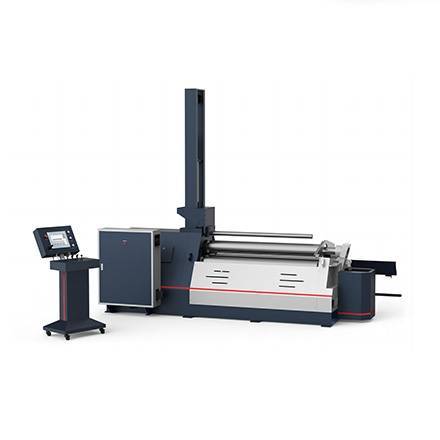
4-Rolling Machine work & welding for Axial Fan
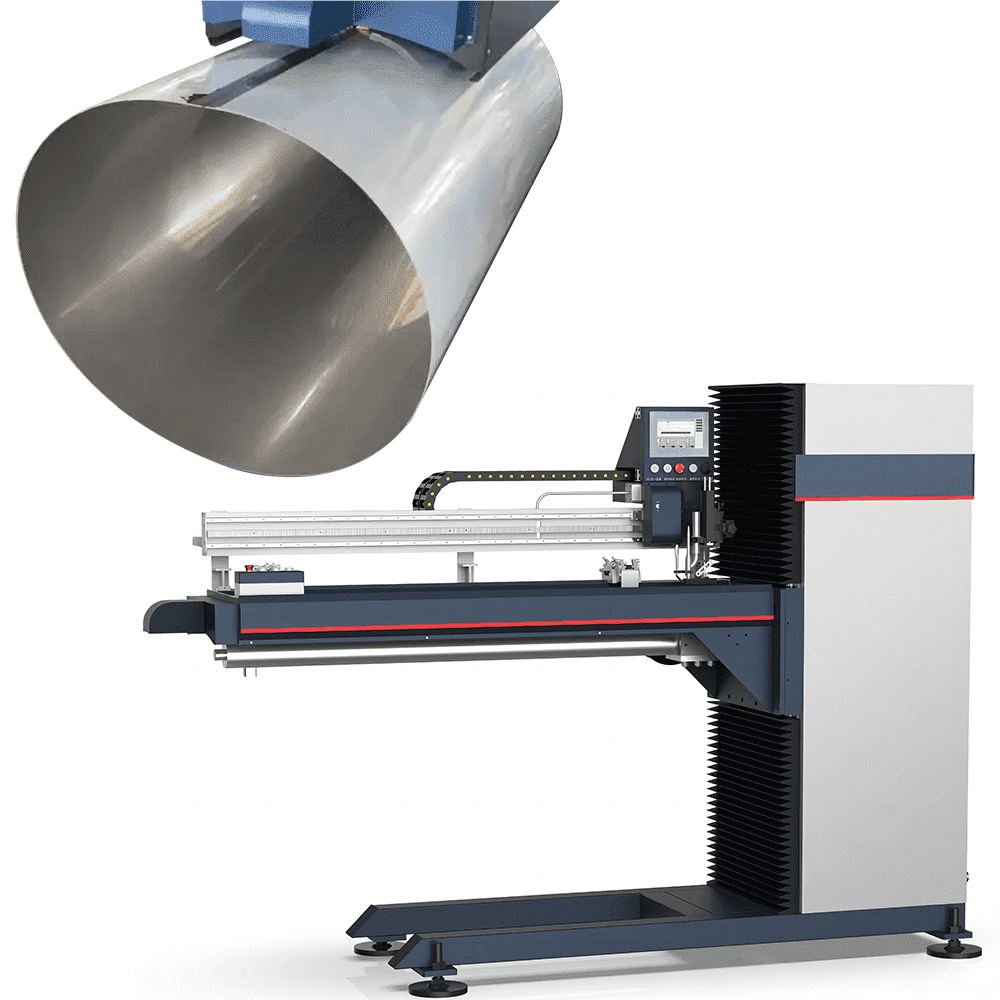
Auto-Seam Welding Machines