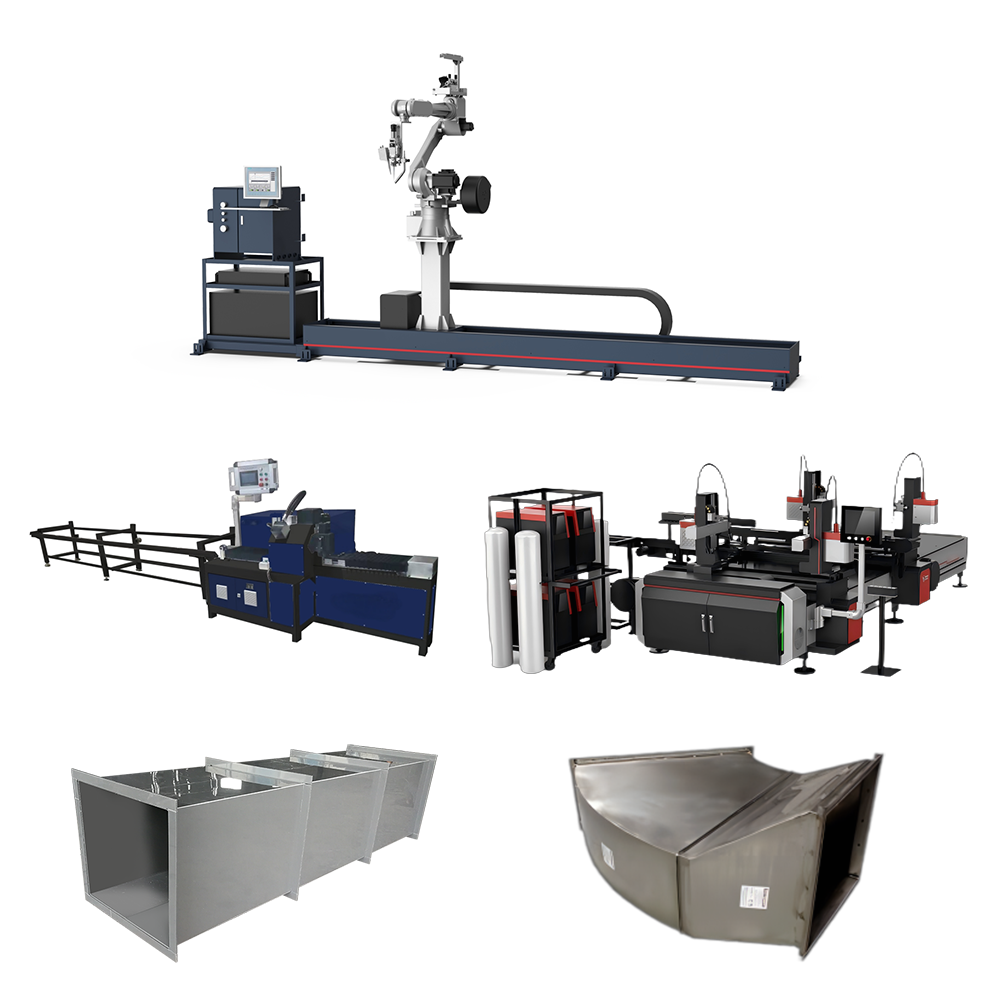




Altron provides complete automation equipment and solutions for the duct manufacturing process, upgrading duct output and quality!
As demand for HVAC ductwork continues to rise, the duct manufacturing process is facing delivery delays! Traditional manufacturing methods can no longer keep up!
Labor costs, material waste, and welding rework—these issues in your factory’s duct production have severely delayed normal order delivery. Upgrade to automation! We’ll help you establish a fully standardized duct manufacturing process!
Different Types of HVAC Duct Manufacturing Process
This article provides an overview of the complete duct fabrication process, covering the steps from raw materials to finished ducts, the various manufacturing processes involved, and the fabrication of components for different types of ducts.
It introduces common sheet metal duct fabrication processes and machine techniques, as well as how to select the appropriate forming methods for duct fabrication!
Coil Feeding and Sheet Preparation Leveling
Since most of the raw materials used in your duct fabrication come from coil stock, coil feeding and sheet leveling are the first steps in the duct fabrication process.
Coil Feeding
The primary function of coil feeding is to smoothly transport coil stock to the next process!
- There are two types of power systems: motor-driven and non-motor-driven. When working with thick or heavy materials, a motor-driven system must be selected; otherwise, the raw material cannot be pulled.
- There are two types of clamping systems: hydraulic and pneumatic. For materials thicker than 1.5 mm, a hydraulic system should be selected; for materials thinner than this, a pneumatic system is sufficient.
Sheet Preparation – Leveling
Once your ducting raw materials are ready, uncoiling and leveling them ensures the material is flat and free of bends, allowing it to proceed to the forming or cutting processes with greater stability during processing!
- This does not result in unstable material output.
- It does not cause material misalignment or deviation.
If your raw material is in sheet form, this process is not necessary! Proceed directly to the cutting or forming process!
Cutting And Severing
When it comes to sheet metal cutting for ductwork, it is crucial to select the appropriate process—such as plasma cutting, laser cutting, or CNC sheet cutting—based on the specific shape and material being cut.
- Plasma cutting is an early cutting process that is now rarely used in ductwork production.
- Laser cutting is the mainstream cutting and blanking process, offering high production precision, efficiency, and quality. It produces the cleanest cuts with minimal burrs and the best surface finish! Whether for rectangular, round, or custom-shaped ducts, laser cutting is the preferred method for blanking.
- CNC sheet metal processing is typically used for small-batch duct fabrication where mass production is not required, and production is primarily manual.
- Punching and shearing are typically used for specific hole shapes, trimming, notching, standard flange mounting holes, and other parts that require high processing efficiency and consistency; in production, quick changeovers can be achieved by replacing individual modules!
- Roll cutting is typically used in the manufacture of spiral ducts, primarily for cutting thinner materials. While it does not require high cutting precision, it offers high cutting speeds. The workpieces are mainly cylindrical in shape. When the material for spiral ducts is relatively thick, plasma cutting can be selected!

For example, if your ducting materials include carbon steel, galvanized steel, stainless steel, and aluminum, you should consider the following key factors when cutting different materials:
Carbon steel: Laser cutting is typically the preferred method due to its low cost and suitability for processing plates of various thicknesses.
Galvanized Steel: Laser cutting or CNC sheet cutting is commonly chosen to effectively protect the zinc coating on the material’s surface.
Stainless Steel: Fiber laser cutting is typically selected for its high cutting quality and surface finish; however, the material’s surface is prone to scratches during the cutting process, so it is recommended to apply single-sided protective film to the raw material.
Aluminum: This material is relatively soft and lightweight; surface protection is required during the cutting process. Sheet cutting and laser cutting are commonly used.
Choosing the correct cutting process makes a significant difference in production efficiency and precision requirements! For example, if dimensional or shape inconsistencies occur during the initial blanking process, it will directly impact the entire HVAC duct manufacturing process!
Common issues in duct manufacturing caused by cutting in your production facility:
- Inefficient layout, material waste
- Difficulty forming the bite
- Poor fit of flange installation
- Curled edges and deformation after bending
- Welding misalignment and gaps
- Poor sealing, air leaks, pressure loss, and reduced efficiency
- Inconsistent installation dimensions
In your production process, cutting is not merely a single step; it directly impacts other stages of duct manufacturing, such as forming, assembly, welding, and installation. As you continue to optimize production capacity and efficiency, cutting now accounts for over 90% of the duct-making process. You should adopt automated nesting and laser cutting, along with an automatic loading and unloading system, to reduce labor costs and boost production efficiency!
Lock Forming and Flanging
These are the processes involved in fabricating the connection components of ductwork. They constitute the primary production steps in duct assembly and ensure the ductwork’s strength, airtightness, and installation efficiency. Lock forming is primarily used for rectangular ducts, while flanging is primarily used for round and spiral ducts.
Lock Forming
“Lock Forming” refers to a connection method using edges and joints, which is directly related to the assembly process of ductwork. It is primarily used in the fabrication of rectangular and continuous spiral ducts, typically for smaller ducts with lower pressure and thinner material.
The process of transforming sheet metal into ductwork is a reliable joining method.
- Rectangular ductwork is assembled by shaping two metal sheets into an L-shape and then connecting the side panels to the top and bottom panels via a seamed joint, forming a complete rectangular duct. This method can partially replace welding, improving assembly efficiency and reducing transportation costs.
- Spiral ducts are produced by forming continuous, coiled material through a die. The edges of the steel coil are fed continuously while the sheet is rotated; the material edges are locked together by a special die. This process offers high production efficiency, high strength, and excellent airtightness! You can simply think of it as Continuous Spiral Forming + Spiral Lock Forming.

Flanging
In rectangular ductwork, the flanging process is commonly used when fabricating TDF and TDC flanges using the co-planar flange method.
Flanging is the primary method of joining round ductwork and is mainly used in the fabrication of spiral ducts and cylindrical welded ducts. This process involves folding the edge of the duct to form a small flange, which is primarily used for fastening with screws or clamps.
Structural Advantages of Clamp Connections and Round Flanges
- Clamp connection: Quick to install and remove, ideal for small-diameter ducts in low- to medium-pressure applications!
- Round flange connection: Offers superior sealing and structural stability, ideal for large-diameter ducts in high-pressure applications!
In the duct fabrication process, holes are typically not punched after the flanging operation. Round flanges for screw-type connections are usually standard components that can be manufactured using stamping or flange-forming machines, as well as flange punching machines!
However, in large-scale ductwork with heavy loads—such as in tunnels, mines, and subways—holes are punched directly during the flanging process! This allows for direct connection to axial fans.

Bending and Forming
In duct fabrication, sheet metal forming is the core process! Below, we will outline the key forming processes for different types of ducts.
Forming encompasses many metalworking processes; in duct fabrication, cold forming is commonly used. This includes: rolling, flanging, ribbing, and hemming.
Bending for Rectangular Ducts
Bending is the primary process used to fabricate rectangular ductwork, involving the folding of flat metal sheets. Representative machines include press brakes, folding machines, and CNC bending centers. This process is used to create various shapes, with common examples including square structures and 90-degree angles.
Rolling for Round Ducts
Rolling primarily manufactures round ducts, such as round ducts, smoke exhaust ducts, and stainless steel ducts.
The process involves feeding flat metal sheets into a rolling machine, where the sheets are rolled into shape along the longitudinal axis. The machine performs pre-bending, rolling, and rounding adjustments to ensure proper roundness.
Rolling machines are primarily classified by the number of rollers: two-roll, three-roll, four-roll, and machines with movable rollers. While traditional two-roll and three-roll machines were used in the past, the duct manufacturing industry is rapidly shifting toward four-roll machines. This shift is driven by increasingly stringent requirements for production precision, such as minimizing straight edges, improving roundness, and boosting production capacity.

Beading for Round Ducts
Beading is the process of embossing raised ribs onto the surface of cylindrical ductwork to enhance its strength. It is particularly common for large-diameter round ducts,
as well as when manufacturing square ducts using thinner sheet metal or working with ducts of larger diameters! Examples include: round ducts, spiral ducts, large-diameter ducts, and industrial ventilation ducts!
The primary processing equipment includes beading machines, rotary beading machines, and combined flanging and beading machines!
Welding and Assembly
Welding
Welding involves securely joining and sealing pre-fabricated duct components or sheet metal! This is typically performed in batches at manufacturing facilities!
Welding methods primarily include manual spot welding, intermittent welding, seam welding, full penetration welding, and circumferential welding; these are mainly used in the manufacture of: round ducts, galvanized ducts, carbon steel ducts, stainless steel ducts, smoke exhaust ducts, industrial ducts, etc.
Certain specialized industrial applications have particularly stringent requirements for duct welding. For example, in lithium-ion battery, new energy, semiconductor, and nuclear power applications, welds must undergo mandatory testing.
Common testing methods include:
Visual inspection of welds
Weld strength testing
Random airtightness testing
Penetrant testing – detects minute surface weld defects
Ultrasonic testing – detects internal weld defects
Since the consistency of manual welding quality is uncontrollable, we provide comprehensive technical support for automated welding. Whether it’s simple roll welding machines, semi-automatic electric welding machines, seam welding machines, robotic laser welding machines, or automated welding production lines, Altron can provide complete welding solutions and production lines.
Assembly
Most of the ductwork assembly is completed on-site at the construction site to reduce transportation costs! This primarily includes: duct splicing, flange connections, clamp installation, welding, installation of ventilation accessories, sealing, insulation, and noise reduction treatments.
Of course, some ductwork must be pre-fabricated and assembled off-site, primarily due to excessive dimensions, complex site conditions, or excessive lengths. On-site installation typically involves: duct splicing, flange connections, clamp connections, screw fastening, flexible connections, and support installation—essentially assembling duct components according to on-site conditions, mounting them on walls, and forming a complete ventilation system.
Future Trends in Duct Manufacturing
From fully automated production of steel coils into standard ductwork—whether for industrial ventilation or kitchen exhaust systems, which are closely related to our business—the trend in automated manufacturing is to process all modular air ducts and various types of non-metallic flexible ducts in large batches at the manufacturing plant!
You need to consider how a standard steel coil is transformed—through uncoiling, leveling, cutting, seaming, bending, flanging & forming, cleaning, and welding—into standard duct components that can be quickly assembled on-site!
FAQ
What Are the Different Types of HVAC Pipes?
Rectangular Duct – Commonly used in factories and office buildings; has specific installation height requirements!
Round Duct – Offers low air resistance and excellent sealing; primarily used in industrial ventilation and commercial smoke exhaust systems!
Spiral Duct – Low risk of air leakage and quick installation; increasingly popular!
Flexible Duct – Easy to install; primarily used for terminal connections in refrigeration and air conditioning systems; has lower strength and shorter service life!
Insulated Duct – Suitable for industries with strict requirements for noise and temperature loss, such as baking and refrigeration applications!
Common Problems in Industrial Ventilation Fabrication
Insufficient cutting dimensional accuracy, which severely affects subsequent forming processes and leads to material waste.
Inconsistent dimensions and insufficient precision in manual processing, resulting in flange gaps that prevent proper installation;
Deformation of thick plates during manual welding, unstable cooling during welding, and frequent rework.

How Are Spiral Ducts Manufactured?
Uncoiling – Feeding – Beading – Spiral forming, spiral seam locking, cut-to-length, and automatic discharge of the finished duct; spiral duct machines are divided into two types: fixed-die spiral duct machines (with consistent diameter dimensions) and steel strip die spiral duct machines (with lower die costs).
How to Choose Duct Insulation Materials?
Depending on the specific application, consider factors such as stability requirements, protection rating, noise control, and budget constraints! Commonly used metal materials include galvanized steel and stainless steel, while common insulation materials include glass wool, rock wool, polyurethane, and rubber foam.
TDF/TDC Flange vs Angle Iron Flange: Which Is Better for HVAC Duct?
TDF/TDC flanges are self-forming flanges. They are used in commercial HVAC ductwork and low- to medium-pressure ventilation systems due to their lightweight design, simple installation, and low manufacturing costs, though they require higher automation costs.
Angle iron flanges offer higher installation strength and are suitable for high-strength ductwork. They are primarily used for welding and duct connections and are mainly applied in high-pressure environments, industrial ventilation, large-scale smoke exhaust systems, and ventilation in mines and tunnels.
Final Thoughts
In the HVAC Duct manufacturing process, is your factory facing a surge in production volume, yet still relying on manual labor for production processes?
Altron Supply offers state-of-the-art automated equipment and solutions to help you upgrade your duct production!
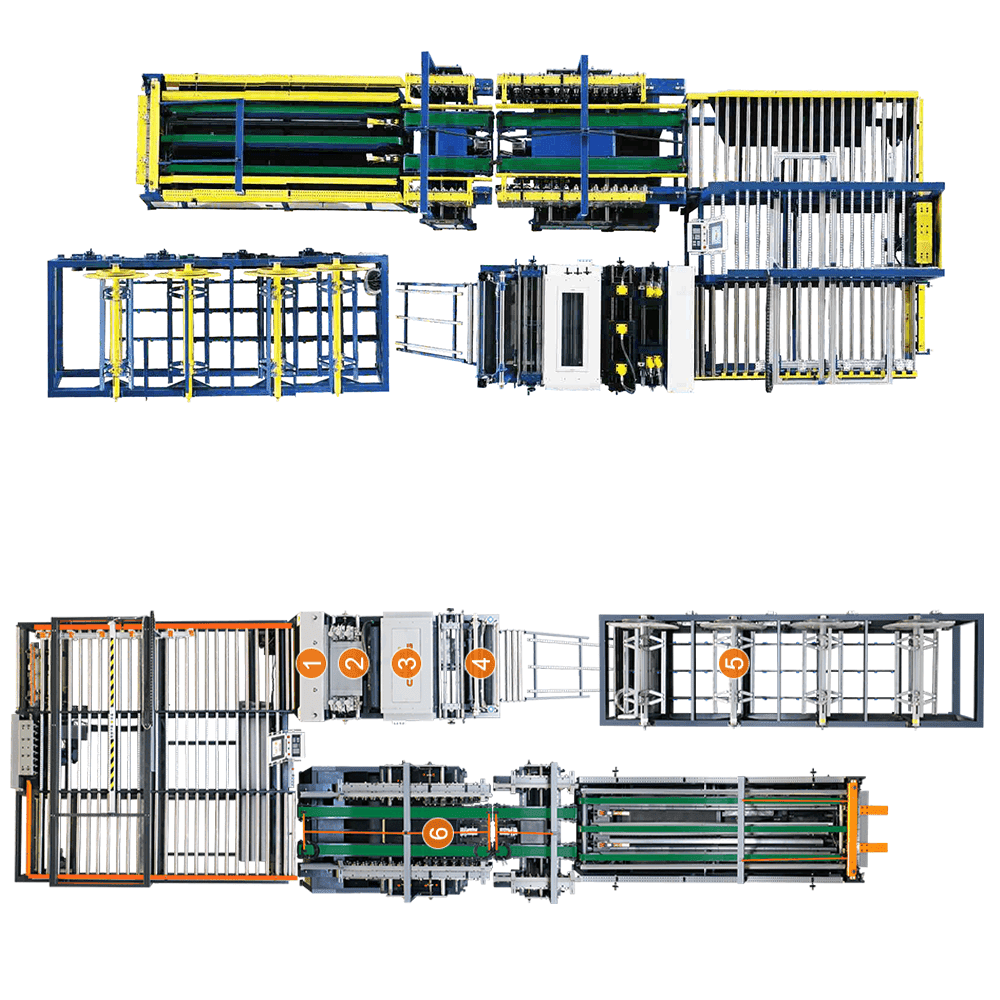
Customized Air Duct Production Lines
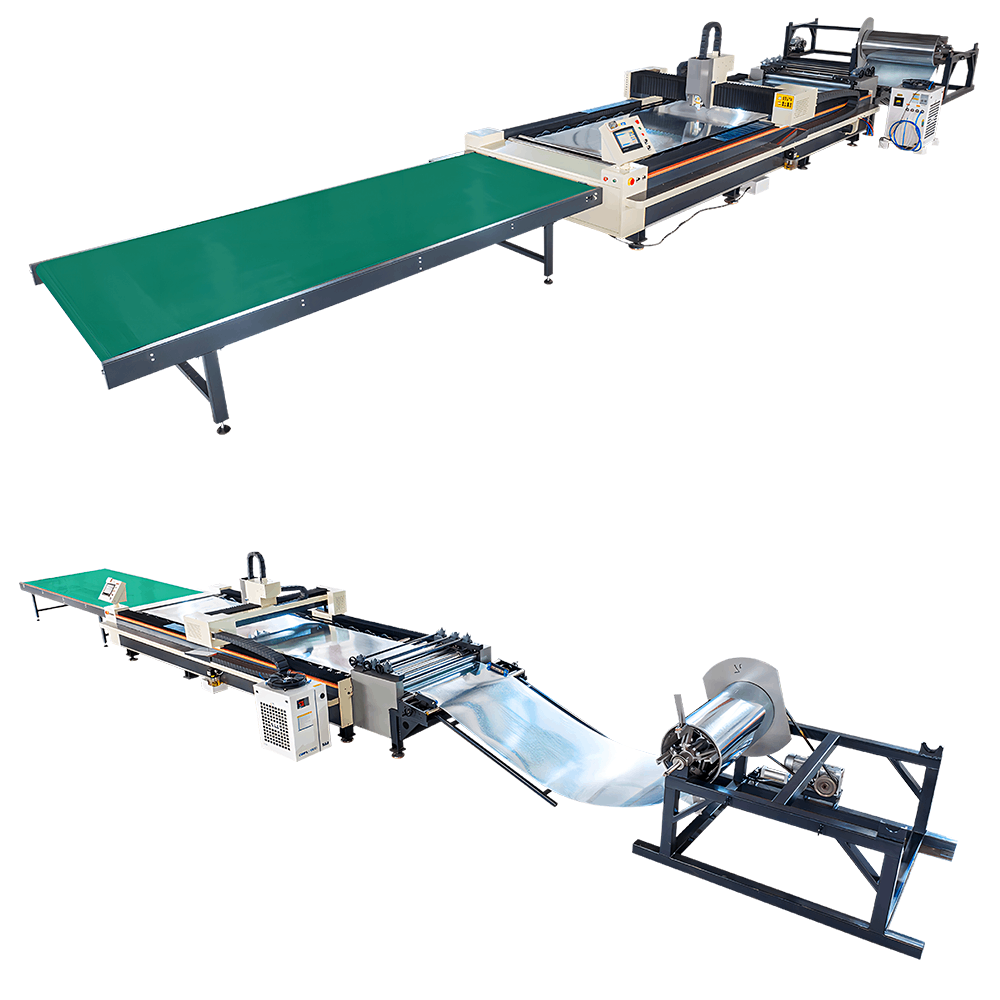
Rolling Disc Platform Laser Cutting Production Line
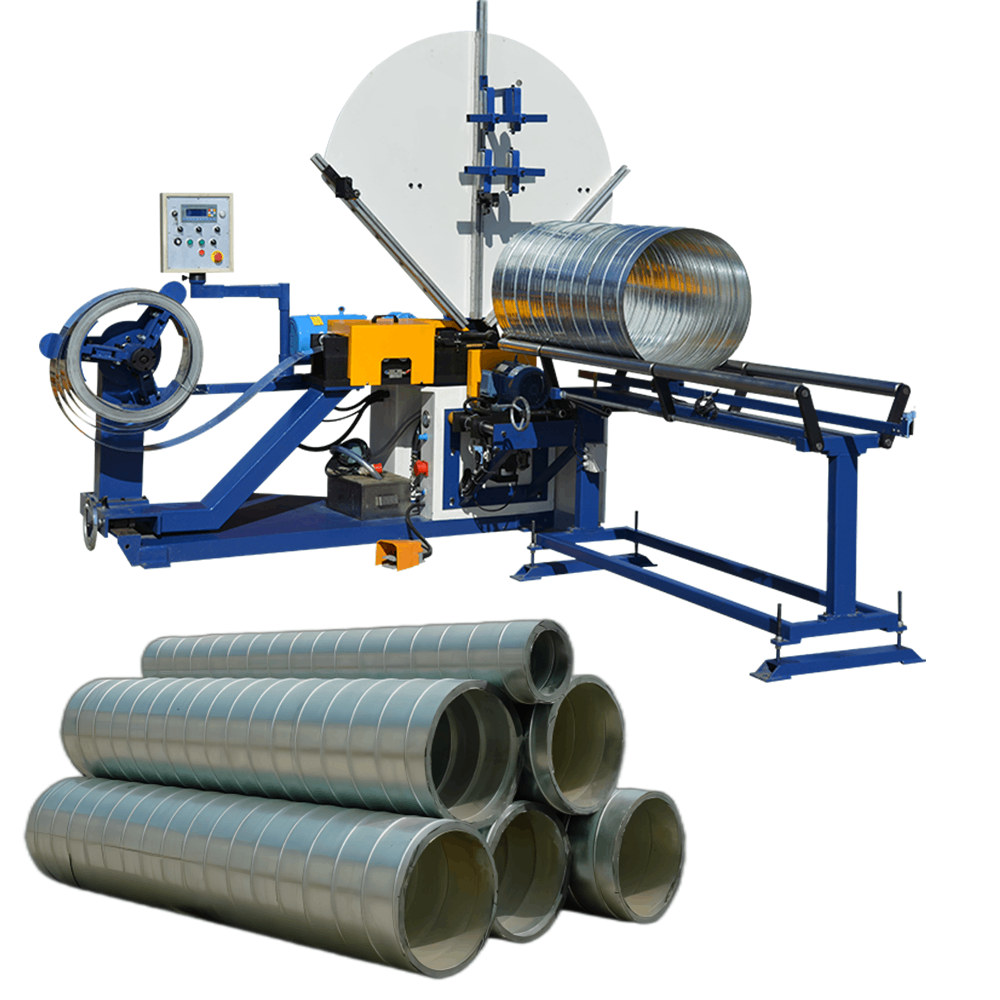
Spiral Duct Forming Machine (Steel strip mould)