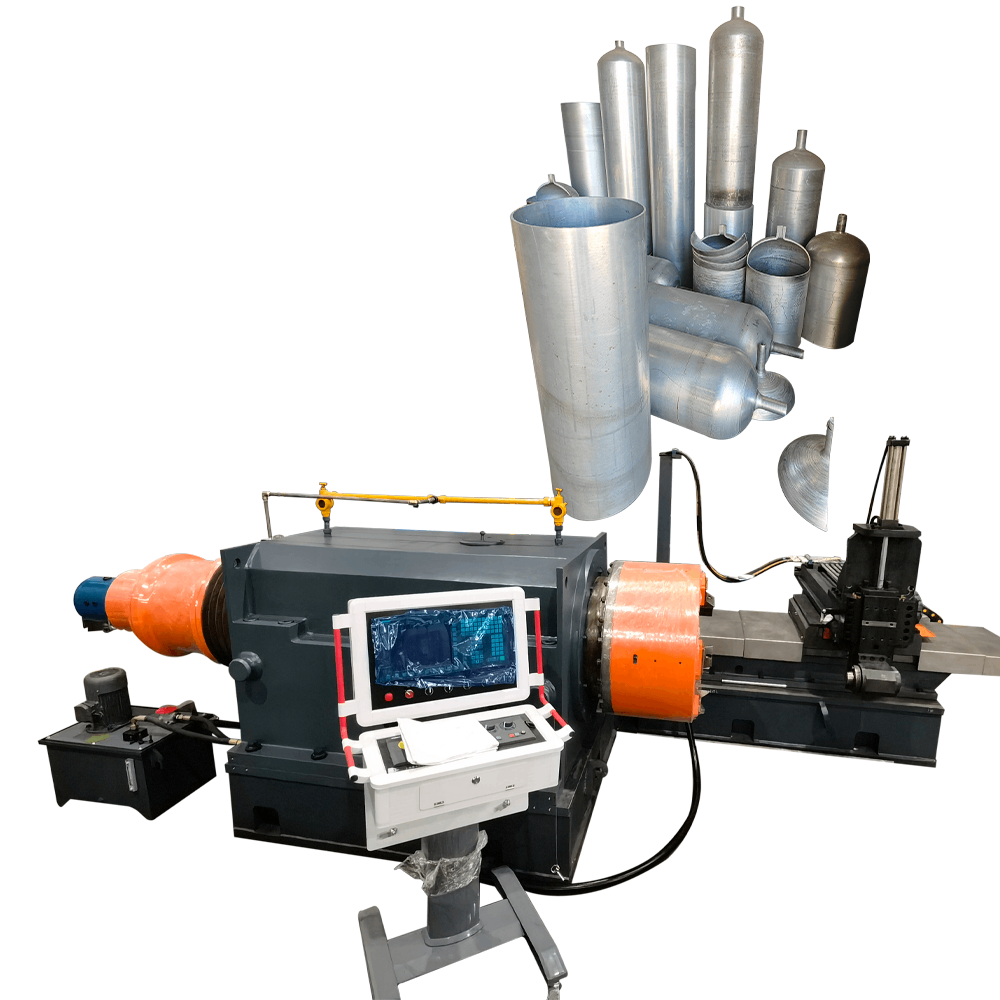




Are you still struggling with issues like product deformation and surface defects during the metal spinning process? These problems not only drive up production costs but also compromise product quality. Altron’s CNC metal spinning machine can significantly improve product consistency and production efficiency. I will walk you through the entire metal spinning process and provide solutions to these challenges.
What Is the Metal Spinning Process?
1. Cutting the blank material
Using a clean sheet of metal, perform preliminary calculations based on the die and product contour data, then cut the blank to the calculated dimensions.
2. Blank Loading & Clamping
Select the appropriate metal material, place the metal sheet onto the machine die, and secure it in the center to prevent the die from shifting during processing.
3. Spin Forming
CNC spinning program controls the movement of tools or rollers to apply pressure to the rotating workpiece, gradually forming the material into the desired shape.
Metal spinning processing method
- 1. Shear Spinning
- 2. Stretch Spinning
- 3. Expanded Spinning
- 4. Tube thinning Spinning
- 5. Double wheel flanging Spinning
- 6. Necking Spinning
- 7. Flow Forming Spinning
4. Finishing and Trimming
After a part is spun, it must undergo a finishing process to remove excess material and ensure a smooth surface. CNC machines can also be equipped with trimming tools to remove any unnecessary material during the spinning process, ensuring that the final part meets dimensional and aesthetic requirements.
5. Inspection
Finally, inspect the finished product’s dimensions, roundness, wall thickness, and surface quality to verify that it meets the required standards.
Common Problems in Metal Spinning Production
1. Product deformation or cracking
During the manufacturing process, the material may crack, or the product may deform, affecting product quality.
2. Inconsistent dimensions and wall thickness
Some areas may be thicker while others are thinner, and dimensions may be unstable, affecting subsequent assembly.
3. Poor surface quality
Scratches, ripples, or rough surfaces may occur, affecting the product’s appearance and performance.
Causes of problems encountered in metal spinning production
1. Unstable operation of CNC metal spinning equipment or manual spinning
There are two distinct scenarios involving CNC spinning equipment with insufficient precision or manual spinning machines that rely on manual operation! Since the force applied, angle, and rhythm vary each time, this leads to dimensional deviations, uneven wall thickness, or inconsistent forming.
2. Inappropriate process parameters
Improper settings for pressure, speed, or feed rate can easily lead to warping, wrinkling, or dimensional instability.
3. Material issues
If the material is too hard, has uneven thickness, or lacks sufficient ductility, it is prone to cracking or warping during processing.

Metals in Metal Spinning
1. Aluminum
Aluminum is the most commonly used material. It is lightweight, soft, and highly ductile, and is less prone to cracking during processing, making it suitable for products such as cylinders and fan housings.
2. Stainless Steel
Stainless steel is harder than aluminum and more difficult to process, but it is corrosion-resistant and has high strength, making it more suitable for industrial components or products that require high durability.
3. Carbon Steel
Carbon steel offers good value for money, with decent strength and low cost, though its machinability is moderate.
4. Copper / Brass
Copper and brass are relatively soft and easy to shape, with attractive surface finishes, but they are somewhat more expensive. They are commonly used for decorative parts, conductive components, or products with specialized applications.
Automation Solutions for Metal Spinning
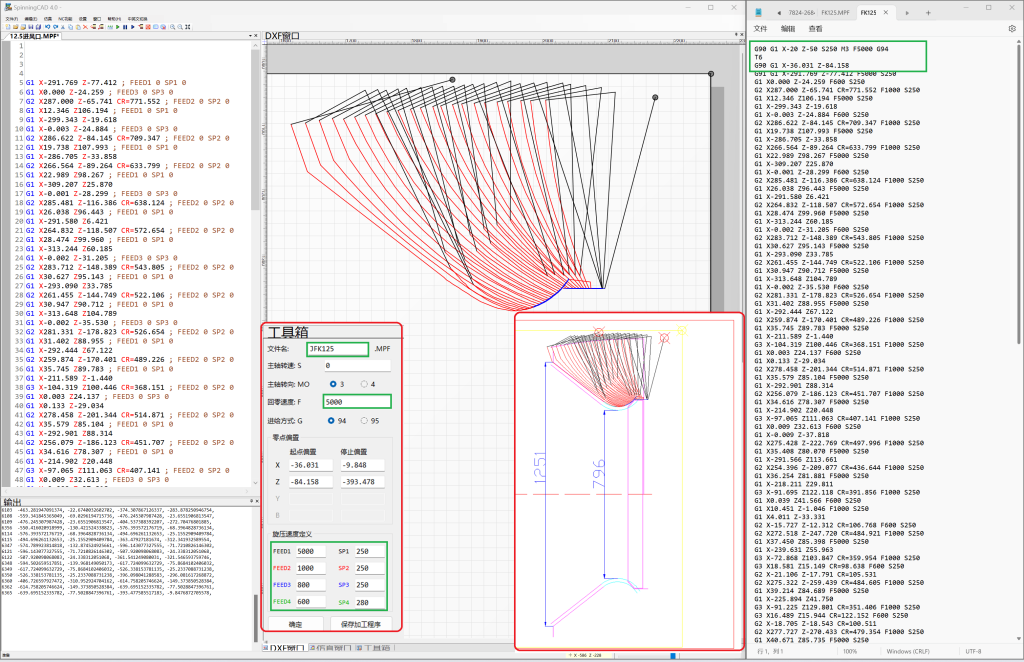
To help you understand the advantages of our product, I will explain in detail how Metal Spinning addresses production challenges.
1. CNC Automation
By programmatically controlling pressure, speed, and forming paths, the process eliminates the need for manual, experience-based control, ensuring product consistency and stable quality.
2. Intelligent Control and Online Monitoring
The system monitors pressure, operational status, and product dimensions in real time, making immediate adjustments upon detecting issues. This reduces product cracking and scrap rates while increasing overall output.
Metal Spinning Process FAQ
What is Metal Spinning?
Metal spinning is a metal forming process in which a flat metal blank is spun at high speed while pressure is continuously applied using rollers or spinning tools to shape it into a cylindrical, hollow workpiece.

CNC Metal Spinning Machine,
Multi-Roller Flow Forming Machine,
Neck Spinning Machine,
Internal Spinning Machine,
Hub Spinning Machine,
CNC Flanging Machine,
Rolling Machine,
Axial Flow Fan Production Line,
Air Duct Production Line,
Spiral Duct Production Line,
Rectangular Duct Production Line,
Impeller Forming Production Line,
Customized Industrial Fan Impeller,
Laser Cutting Production Line, etc…
What are the advantages of CNC metal spinning?
- Consistent Product Quality
By replacing manual operations with CNC and program control, the speed and force of the spinning process are fixed, resulting in higher consistency across every product. This reduces the likelihood of errors and lowers production costs.
- Continuous Production
When paired with an automatic loading and unloading system, the machine can operate continuously without waiting for manual intervention, enabling faster production speeds and higher output.
- Reduced Scrap Rate
Through pressure control and in-line quality inspection, issues can be detected and corrected promptly, thereby lowering the scrap rate of finished products.
- Low Tooling/Development Costs
CNC metal spinning requires relatively simple tooling structures and does not necessitate complex stamping dies. This results in shorter development cycles and lower costs, making it ideal for small-to-medium batch production or products with multiple specifications.
What Are the Applications of CNC Metal Spinning?
- Ventilation and Fan Industry (HVAC / Fan Parts): Used for fan housings, air inlets, round casings, and other components.
- Pressure Vessels and Storage Tanks (Tanks & Pressure Parts): Used for heads, domes, end caps, and other components.
- Lighting and Enclosures (Lighting & Covers): Used for streetlight covers, industrial light covers, and metal enclosures.
- Kitchenware and Household Goods (Metal Containers): Used in pots, bowls, stainless steel containers, and similar items.

Final Thoughts
A high-quality CNC metal spinning machine can help you produce superior products, resolve production issues, and ensure both product quality and output. If you need assistance with selecting a CNC metal spinning machine or require technical support, please review our CNC metal spinning machine solutions or contact us for advice to learn more about equipment applications.
In the field of CNC metal spinning, Altron is dedicated to enhancing process stability and production efficiency, providing you with reliable metal forming solutions.
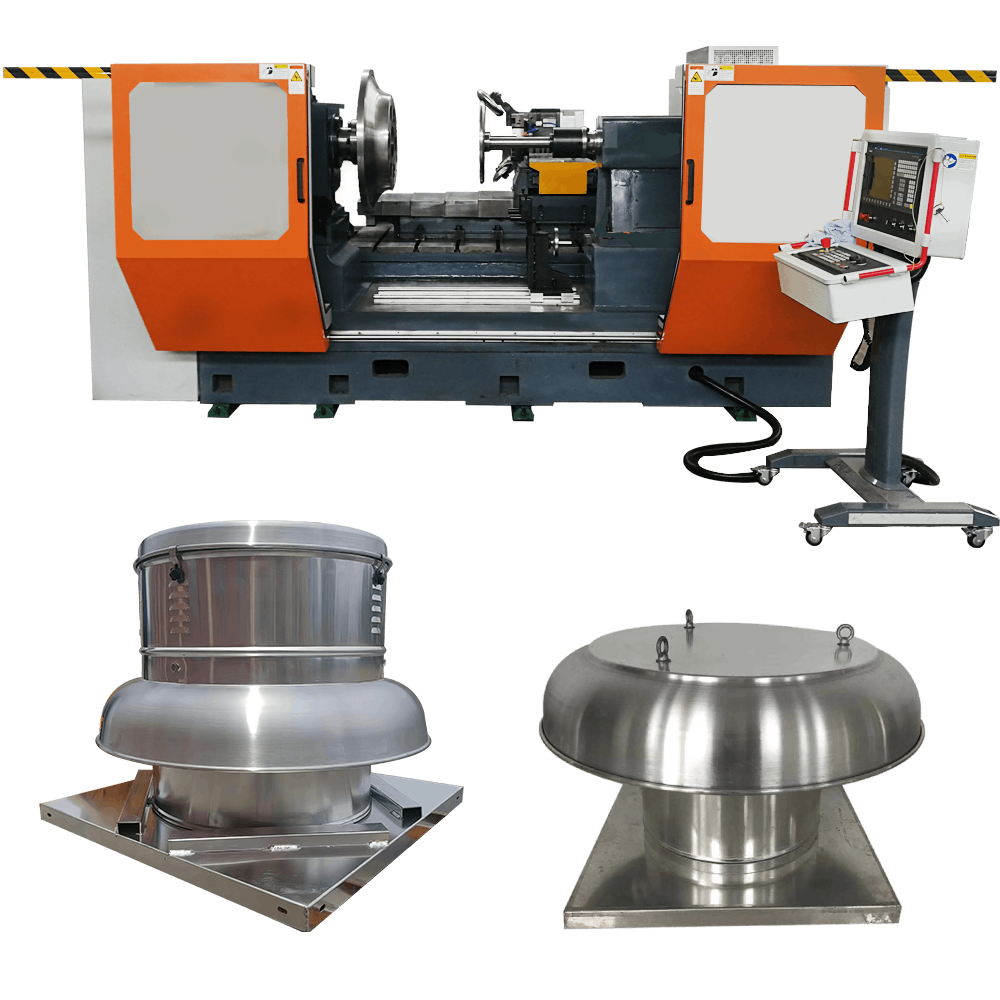
CNC Metal Spinning Machine -Single Roller AC1600
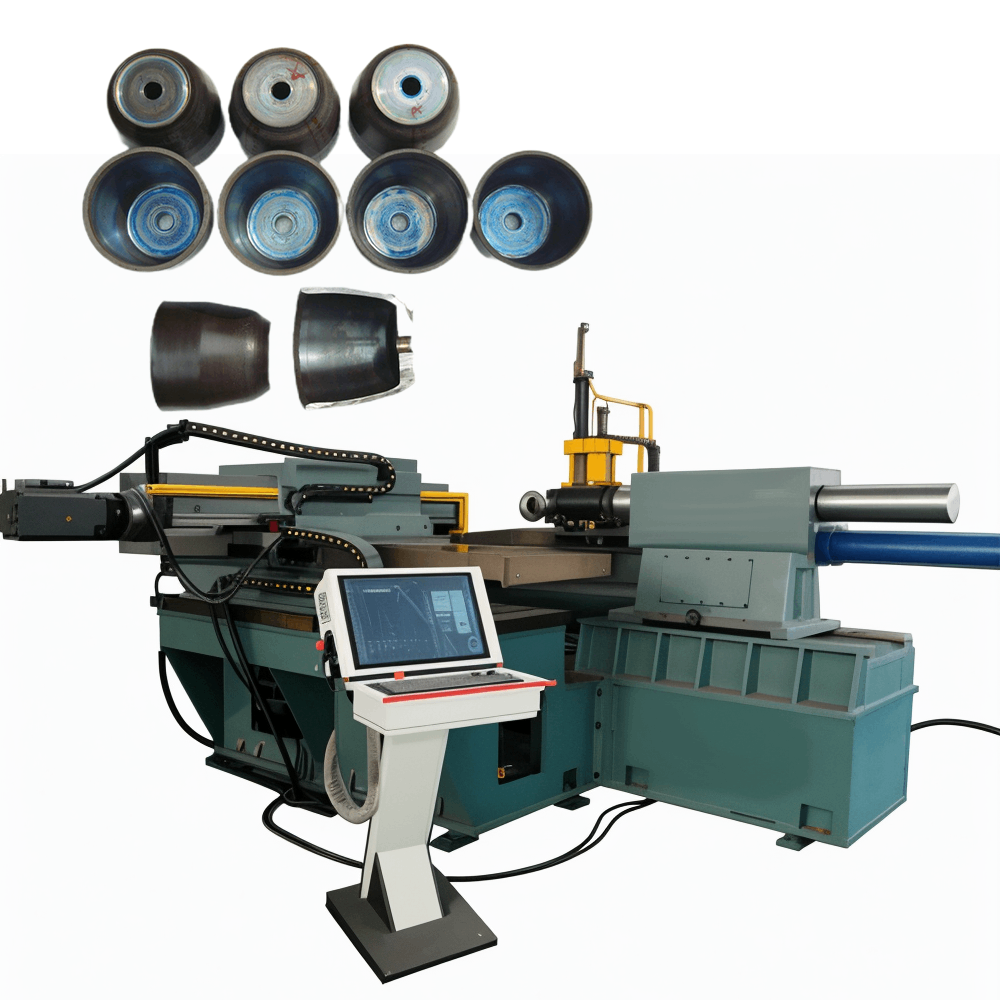
CNC Metal Spinning Machine -Double Roller AC-D1200
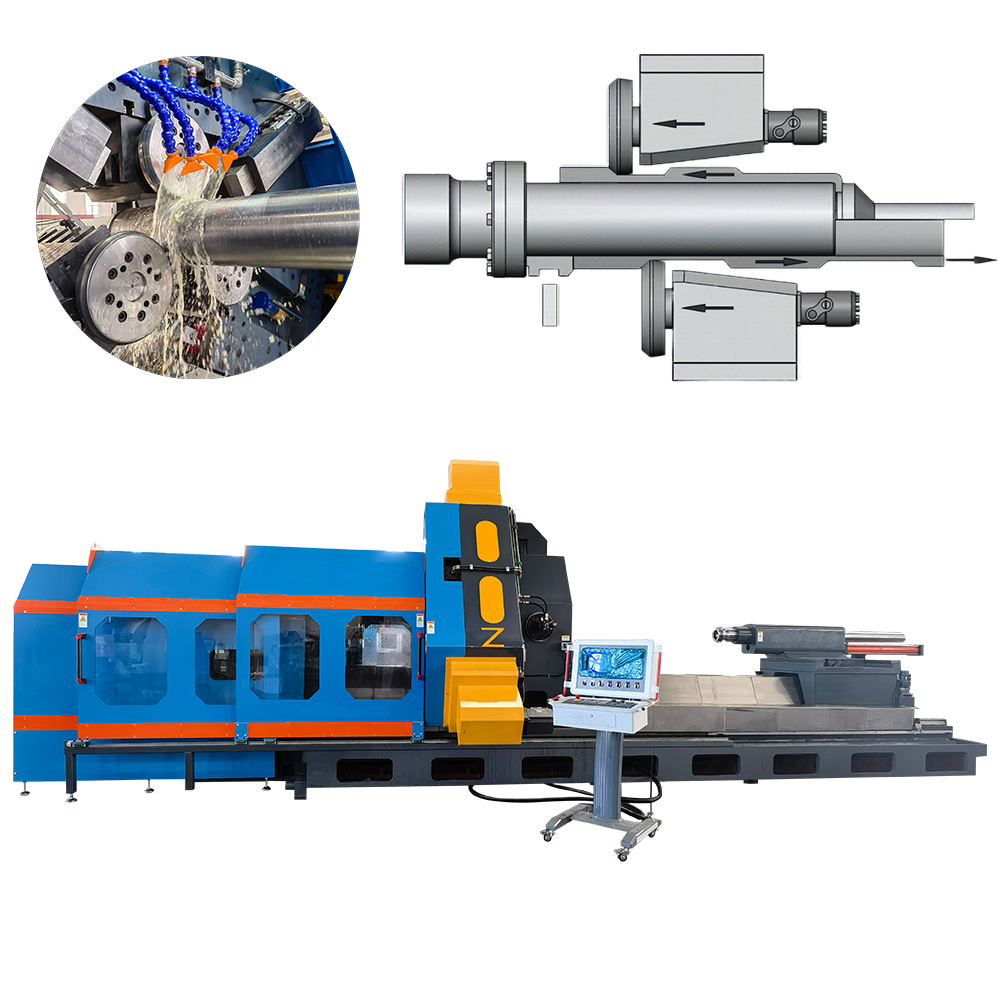
CNC Flow Forming 3-Wheel CNC Spinning Machines