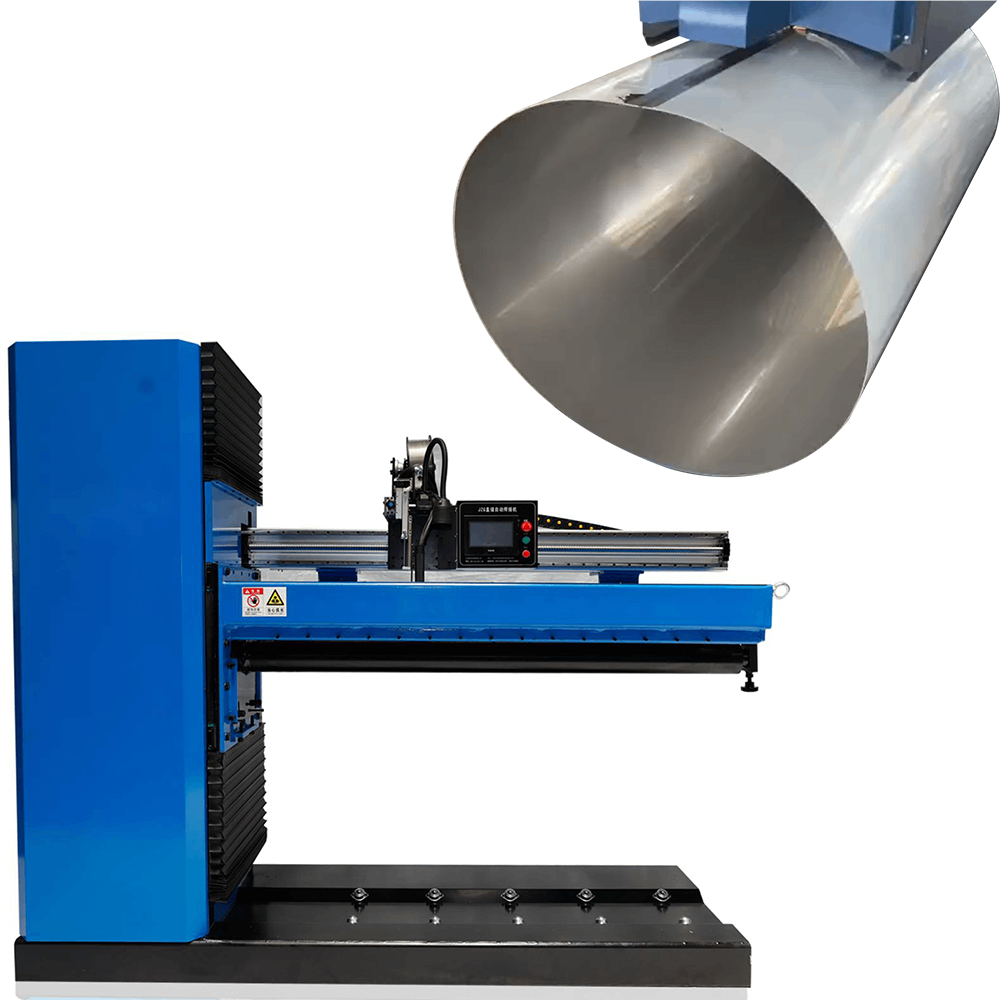





Are you struggling to improve production efficiency and reduce costs? On many industrial production lines, manual welding still plays an important role; However, it not only has low efficiency, but also affects product quality.
With the emergence of automated welding, manufacturers can address these challenges through automated welding. This article will introduce you to what automatic welding technology is.
What is Automatic Welding?
Automatic welding is a method that uses robots or computer systems to perform welding tasks and is becoming increasingly important in modern production environments. This technology not only improves the quality and consistency of welding but also helps you simplify the process flow, reduce costs, and ensure worker safety.
The Difference Between Manual and Automatic Welding
Compared to automated welding, manual welding offers advantages such as lower equipment investment and greater operational flexibility, making it more suitable for maintenance work, small-batch production, and complex workpieces. However, manual welding suffers from lower production efficiency, and weld quality is easily affected by the welder’s skill level.

Automated welding, on the other hand, achieves higher production efficiency, more consistent weld quality, and better product consistency through precise control of welding parameters and welding paths, thus gaining widespread application in large-scale manufacturing industries.
|
Feature |
Manual Welding |
Automatic Welding |
|
Operation |
Performed manually by a welder |
Performed by machines or robots automatically |
|
Efficiency |
Low |
High |
|
Weld Quality |
Depends on the welder’s skill; may vary |
Consistent and stable |
|
Labor Cost |
High; requires skilled welders |
Low; minimal human involvement |
|
Consistency |
Variable |
Excellent |
|
Batch Production |
Not suitable for large-scale production |
Very suitable for large-scale production |
|
Initial Investment |
Low |
High |
|
Safety |
Higher risk of burns, arc exposure |
Safer; reduces human exposure to hazards |
|
Flexibility |
High for complex or custom shapes |
Limited to programmed paths, but advanced robots can handle complex parts |
Understanding the differences between the two can provide a reference for your project selection.
Problems with Manual Welding in Production
1. Severe Weld Deformation
Due to unstable heat control in manual welding, uneven welds can lead to impeller deformation and warping, affecting product quality.
2. Low Production Efficiency
Traditional processes use manual positioning and welding, resulting in long welding times, low output, and difficulty in guaranteeing delivery times. Furthermore, subsequent manual finishing is required, leading to overall low production efficiency.
3. Poor Product Consistency
Relying on manual control of processes results in inconsistent welding strength and position, leading to inconsistent performance, weight deviations, and significant differences in weld appearance within the same batch of products.
Automated Welding Solutions

1. Precise Heat Input Control through Automated Welding Equipment
Automated welding equipment can adjust the welding current, voltage, and duration. It provides a stable heat input during welding, preventing localized overheating and effectively reducing material deformation.
2. Stable Welding Speed
Manual welding often suffers from unstable speed, leading to uneven heat input and deformation. Automated welding maintains a stable welding speed, ensuring uniform heat distribution and minimizing deformation.
3. Achieve Material Compatibility
Automatic welding can process various materials, such as carbon steel, stainless steel, etc., to meet the diverse needs of different industries.
4. Can Complete Complex Processing
The robot runs along a pre-set path to ensure consistency in each welding process, reduce human error, and improve the overall quality of the finished product. Especially suitable for processing complex workpieces such as fan impellers and pressure storage tanks.
Advantages of Automated Welding
1. High Welding Quality
Automated welding reduces deformation and improves weld quality. Welds are more precise and stronger than manual welds. The welding process is performed at a constant speed, ensuring consistent quality and eliminating performance issues caused by inconsistencies in manual welding.
2. Reduce Costs
Automated repetitive or difficult welding processes can significantly improve production efficiency while reducing labor costs; Strictly controlling parameters at the same time can improve welding accuracy, increase product utilization efficiency, and reduce rework costs.
3. High Production Consistency
The welding effect of products in the same batch is consistent, making it particularly suitable for standardized and mass production.
4. Enhance Production Efficiency
The automated welding system can operate continuously, completing tasks at speeds far exceeding manual operation. By reducing the time required for each weld, manufacturers can increase production output, thereby ensuring faster delivery cycles and improving production efficiency.
What are the application industries and specific products for automated welding?
|
Industry |
Typical Products |
Common Welding Materials |
|
HVAC / Duct Manufacturing |
Air ducts, spiral ducts, rectangular ducts |
Galvanized steel, stainless steel |
|
Fan Manufacturing |
Fan impellers, fan housings, fan casings |
Carbon steel, stainless steel, aluminum |
|
Automotive Industry |
Chassis components, exhaust systems, brackets |
Carbon steel, high-strength steel, and aluminum |
|
Pressure Vessels & Tanks |
Storage tanks, pressure vessels, cylinders |
Carbon steel, stainless steel |
|
Construction Machinery |
Frames, booms, structural components |
Carbon steel, high-strength steel |
|
Metal Furniture |
Cabinets, shelves, tables, chairs |
Carbon steel, stainless steel |
The table does not list all application industries; in addition to the industries mentioned above, it is widely used in other industries.
Automatic Welding FAQ
What types of automated welding are there?
- Automated electric welding
- Automated laser welding
- Robotic welding
- Automated MIG welding
- Automatic TIG welding
Can automated welding reduce production costs?
Yes, in terms of the number of workers, automated welding is not limited by the demand for welders. It can replace up to 90% of manual welding, alleviate the pressure of delivery delays caused by rework, and significantly reduce production costs.
What are the main components of an automatic welding system?
Typical components include welding power supply, welding gun, control system, fixture, locator, and, in some cases, welding robot.
Is automated welding suitable for small-scale production?
If the product is repetitive and requires consistent weld quality, it may be suitable for small-scale production. However, the return on investment is typically higher for medium to large-scale production.
What materials can be welded by an automatic welding system?
Weldable materials are widely available, including carbon steel, stainless steel, aluminum, etc. Most metals can be automatically welded.

Final Thoughts
A comprehensive welding automation solution can significantly improve welding quality, efficiency, and worker safety, while reducing operating costs and material waste.
Altron specializes in automated welding and has extensive experience in this field. We can provide you with customized solutions to solve problems encountered during the welding process.
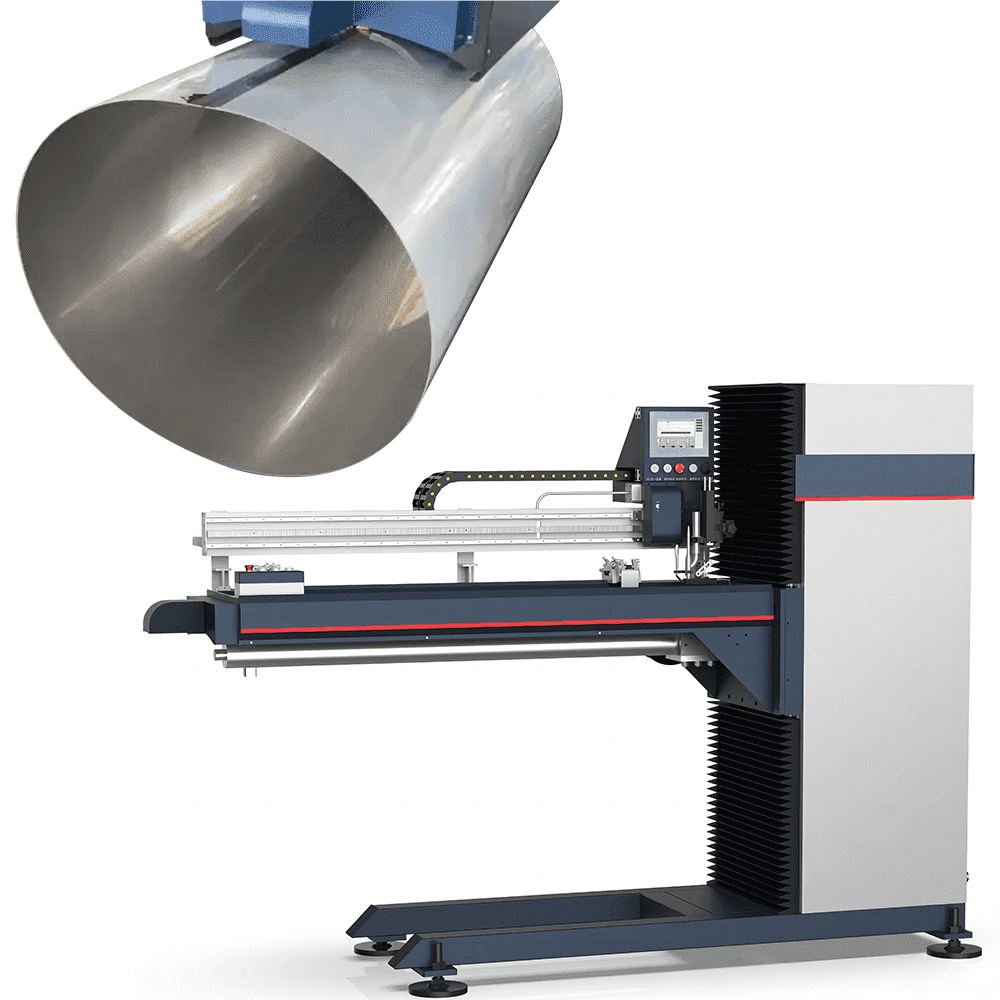
Auto-Seam Welding Machines
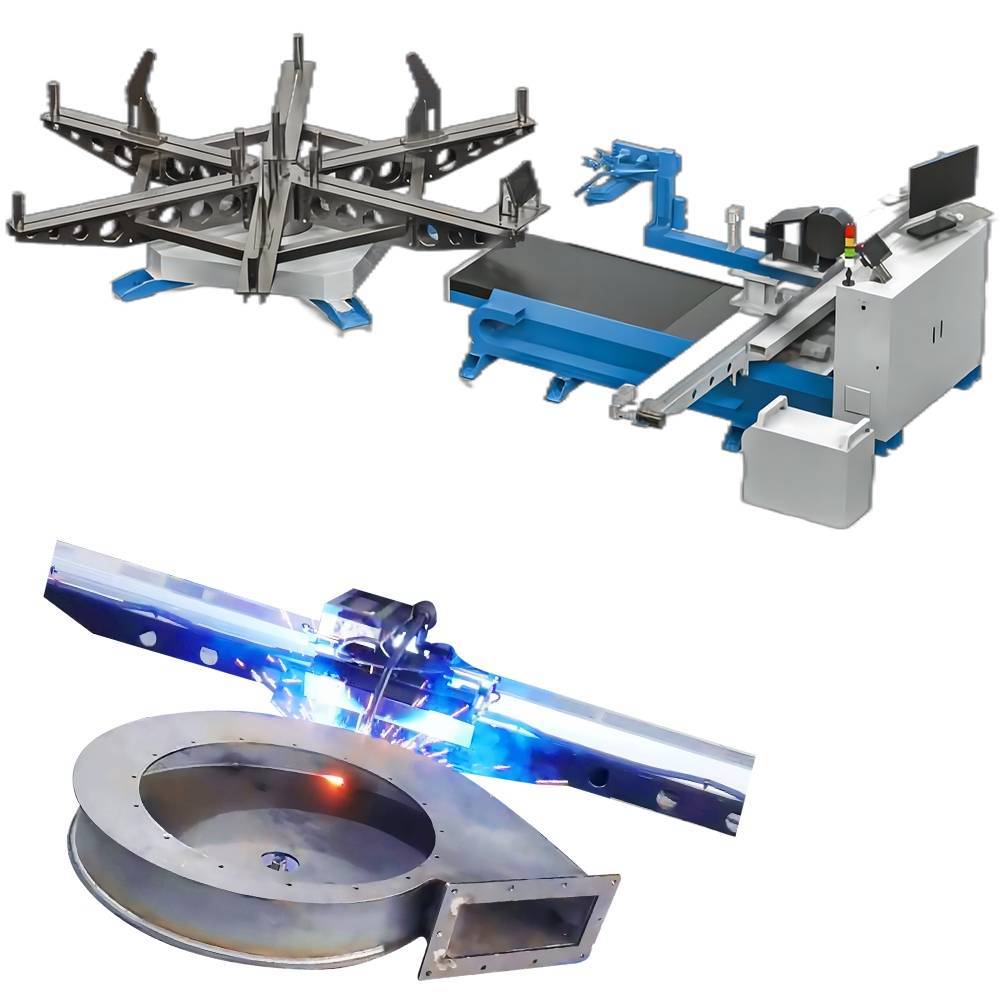
Auto Welding Machine For Centrifugal Fan
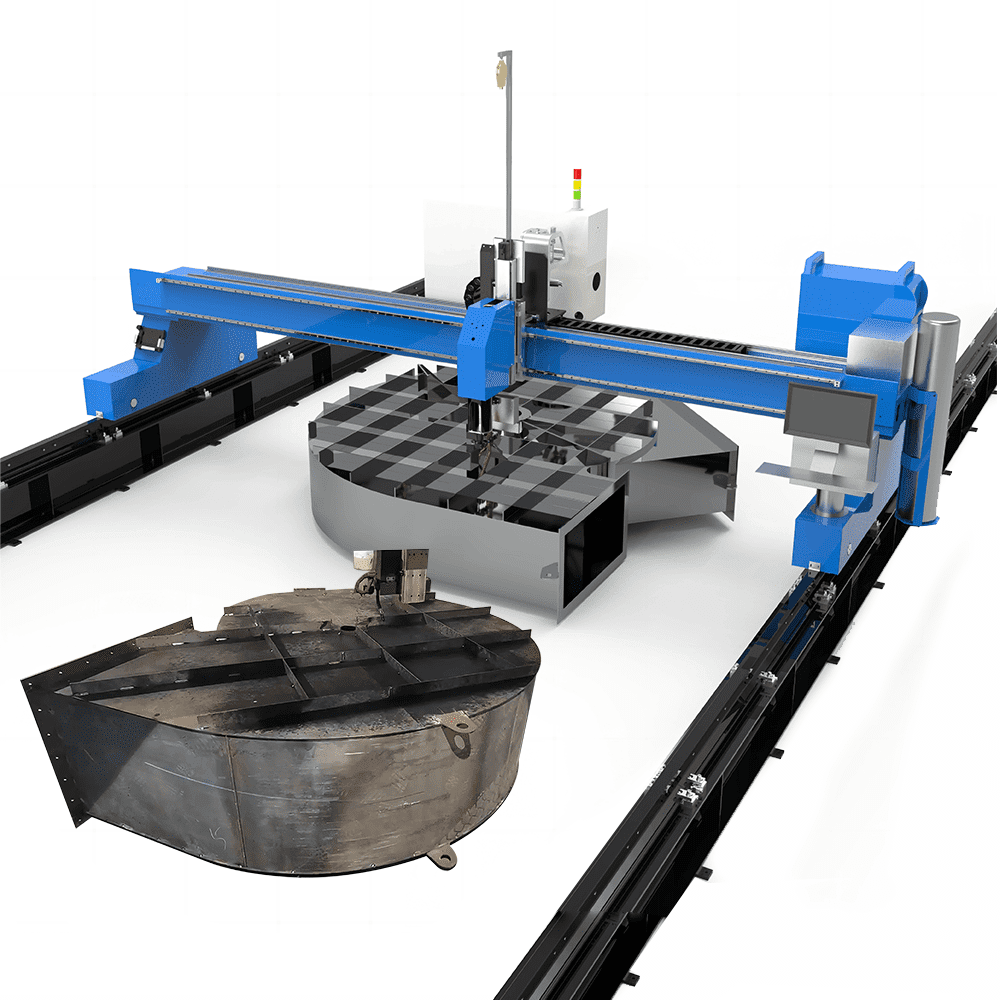
Gantry Stiffener Auto Vision Welding Machine