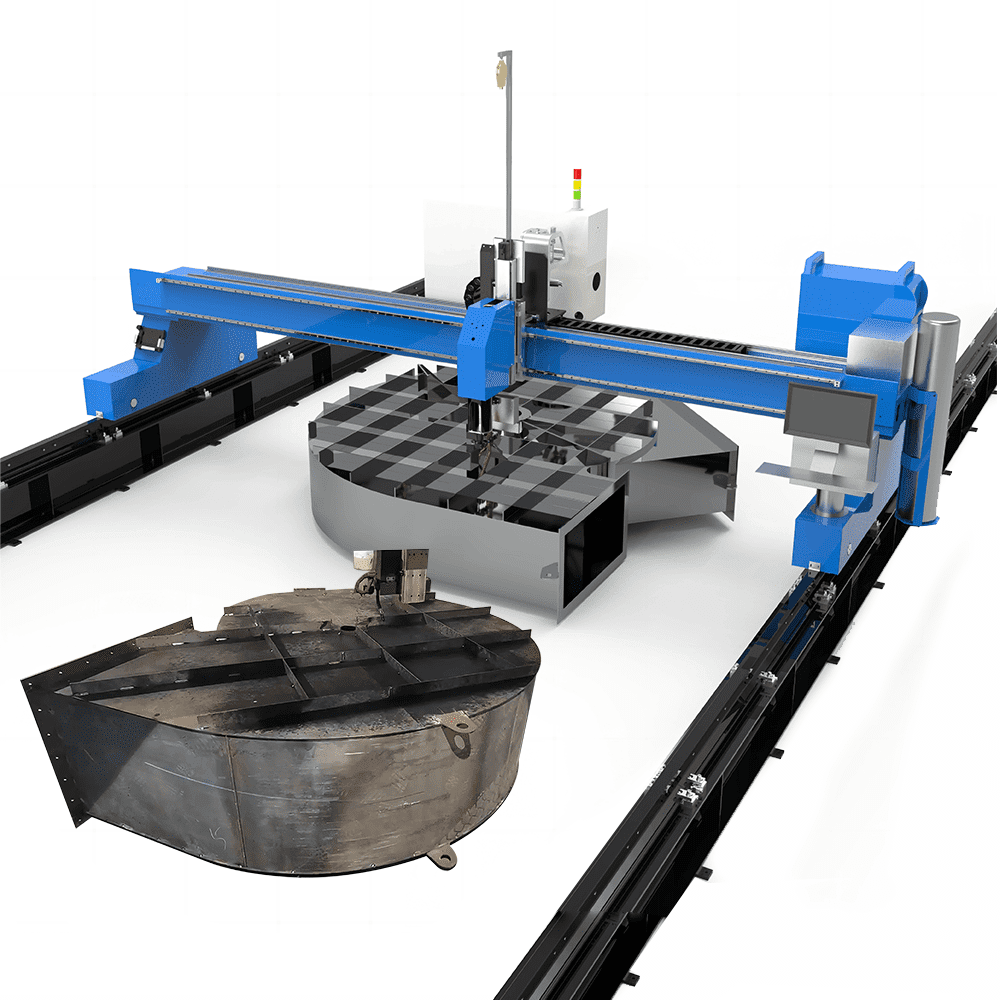




MIG vs TIG vs Laser Welding: How To Choose?
Laser welding, MIG welding, and TIG welding are currently the most widely used welding technologies, each with its own advantages and applicable to various scenarios. This article will introduce the advantages and differences of these three technologies, helping you understand which welding technology is best suited for a specific project. This will provide a reference for selecting the appropriate process to ensure welding quality.
The main differences between the three welding processes
Understanding the differences between various processes can help you choose the right technology for production and improve welding quality. We will discuss the differences between them based on the following factors.
1. Welding Speed
MIG: It features fast welding speed, making it suitable for thick plate processing and mass production, with high automation levels in continuous wire feeding.
TIG: The welding speed is relatively slow, making it suitable for processing high-quality, small-batch parts, which require manual wire feeding during the process.
Laser: Extremely fast speed, automated rapid production, suitable for precision processing of thin materials.
2. Machinable Materials
MIG welding: Suitable for thicker metals such as steel, stainless steel, and aluminum. It has a wide range of applications, but welding very thin materials can be difficult.
TIG welding: Very effective for welding thin materials and metals such as aluminum and titanium. It can also complete precision welding operations with minimal deformation.
Laser welding: Capable of processing various metals, including ferrous and non-ferrous metals. It is also suitable for welding thin materials and dissimilar metals.
3. Quality of Welding
MIG: The welding quality is good, but the heat input is high, which may lead to greater deformation in some cases. Suitable for processing sheet metal with a thickness of 0.3-2mm.
TIG: The weld seam is neat and beautiful, suitable for producing high-quality welds. Suitable for processing sheet metal with a thickness of 0.45-3mm.
Laser: With extremely high precision and minimal thermal deformation, it can be welded into high-quality welds with almost no need for further processing.
Suitable for processing sheet metal with a thickness of 0.3-2mm

4. Costs
MIG: Low cost, simple equipment, suitable for conventional production.
TIG: Moderate equipment cost, high labor cost, suitable for precision processing.
Laser: High equipment investment, but can significantly improve production efficiency and accuracy, suitable for automated large-scale production.
Although laser technology is expensive, it reduces rework and processing time, resulting in lower long-term costs.
5. Production Scale
MIG: Suitable for small to medium-sized production lines.
TIG: Suitable for small batch and precision parts production.
Laser: Suitable for large-scale, automated production.
6. Welding Precision
MIG: Good welding precision, suitable for parts with low precision requirements, but not as precise as laser welding and TIG welding.
TIG: High precision, ideal for high-quality welding.
Laser: Highest precision of the three welding methods, suitable for fine machining.
7. Application Industries
MIG: Construction and Steel Structures, Machinery Manufacturing, General Metal Processing, Repair and Welding
TIG: Aerospace, Medical Equipment, Food Processing Equipment, Stainless Steel Products, Precision Machining
Laser: Automotive Manufacturing, Electronics, Precision Sheet Metal, HVAC Ducts, Mass Industrial Production

8. Automation Level
MIG: Partially automated, but still requires manual operation.
TIG: Almost entirely dependent on manual operation, requiring high technical skills.
Laser: Highly automated, can be equipped with robots or fully automated production lines.
|
Welding Method |
Suitable Materials |
Welding Speed |
Welding Quality |
Application Scope |
Advantages |
|
MIG Welding |
Carbon steel, stainless steel, and aluminum alloys |
Fast |
High |
Large-scale production, thick material welding |
High speed, large-scale production, suitable for various materials, and good weld quality |
|
TIG Welding |
Stainless steel, aluminum alloys, copper, etc. |
Slow |
Very high |
Precision welding, thin materials, high-quality components |
High welding precision, smooth weld seam, suitable for fine work and thin materials |
|
Laser Welding |
Stainless steel, aluminum alloys, precision metals |
Very fast |
High |
Precision welding, thin plates, high-strength materials |
High speed, high precision, small heat-affected zone, suitable for complex shapes and thin material processing |
When choosing a welding process, it is necessary to consider factors such as speed, material compatibility, welding quality, and cost to ensure that the method meets production and design requirements. This table visually illustrates the differences between the three.
How to choose the appropriate welding process
Choosing the appropriate welding process can ensure the quality of the product, depending on the material type, thickness, structural requirements, appearance expectations, and budget.
Choose MIG Welding if the Following Conditions are met
Suitable for mass production
High welding speed and efficiency
Suitable for medium to thick-walled materials
Cost control is a key consideration
Choose TIG Welding if the Following Conditions are met
Suitable for small-batch production projects, custom production is possible
Fine, high-quality welds
Smooth and aesthetically pleasing welds
Suitable for thin to medium-thick-walled materials
Projects involving stainless steel, aluminum, or specialty metals.
Choose Laser Welding if the Following Conditions are met
High precision requirements
Minimum deformation, high-speed automated production
Requires mass production or continuous production
Suitable for thin-walled materials.

FAQ
Can an Automatic TIG welder reduce distortion?
Yes. Automatic TIG welding greatly reduces welding deformation through stable heat input and consistent welding speed. Compared with the large heat fluctuations in manual welding, the automated system maintains uniform heat distribution, effectively ensuring casing roundness and dimensional accuracy.
Which industries are suitable for Laser Welding?
Specific applications include automobile manufacturing, electronic products, precision instruments, and mass production of HVAC ducts.
Which welding method is most suitable for automated production?
Laser welding is most suitable for automated production, MIG can be semi-automated, while TIG mostly relies on manual operation.
Can MIG, TIG, and Laser welding be used together?
Yes. In many manufacturing lines, MIG is used for structural parts, TIG for finishing, and laser for precision assembly.
Is laser welding stronger than MIG welding?
Not always. MIG welding can provide excellent structural strength, while laser welding has higher precision and cleaner welds.
Final Thoughts
Choosing the right welding method depends on your production schedule. Altron has extensive experience in welding machine manufacturing. Understanding the advantages and differences of each method will help you make an informed choice, thereby improving welding results and meeting project requirements.
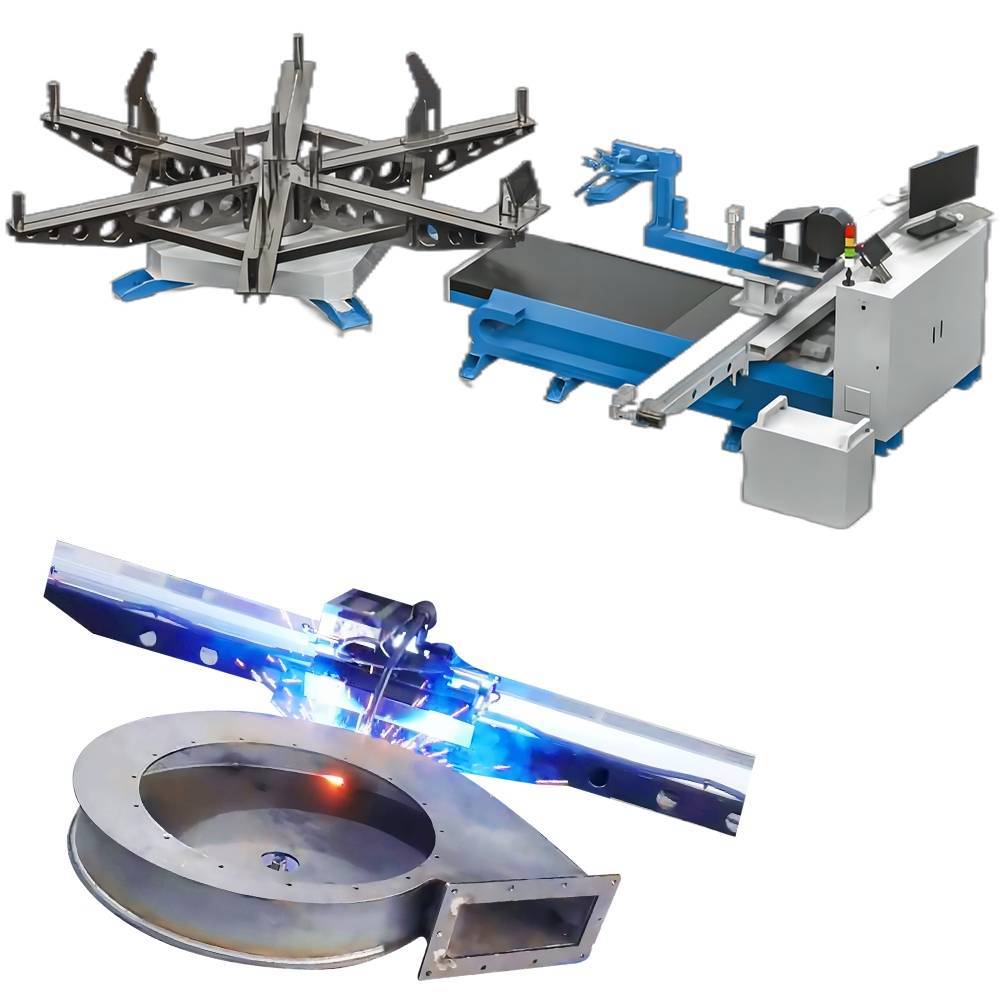
Auto Welding Machine For Centrifugal Fan
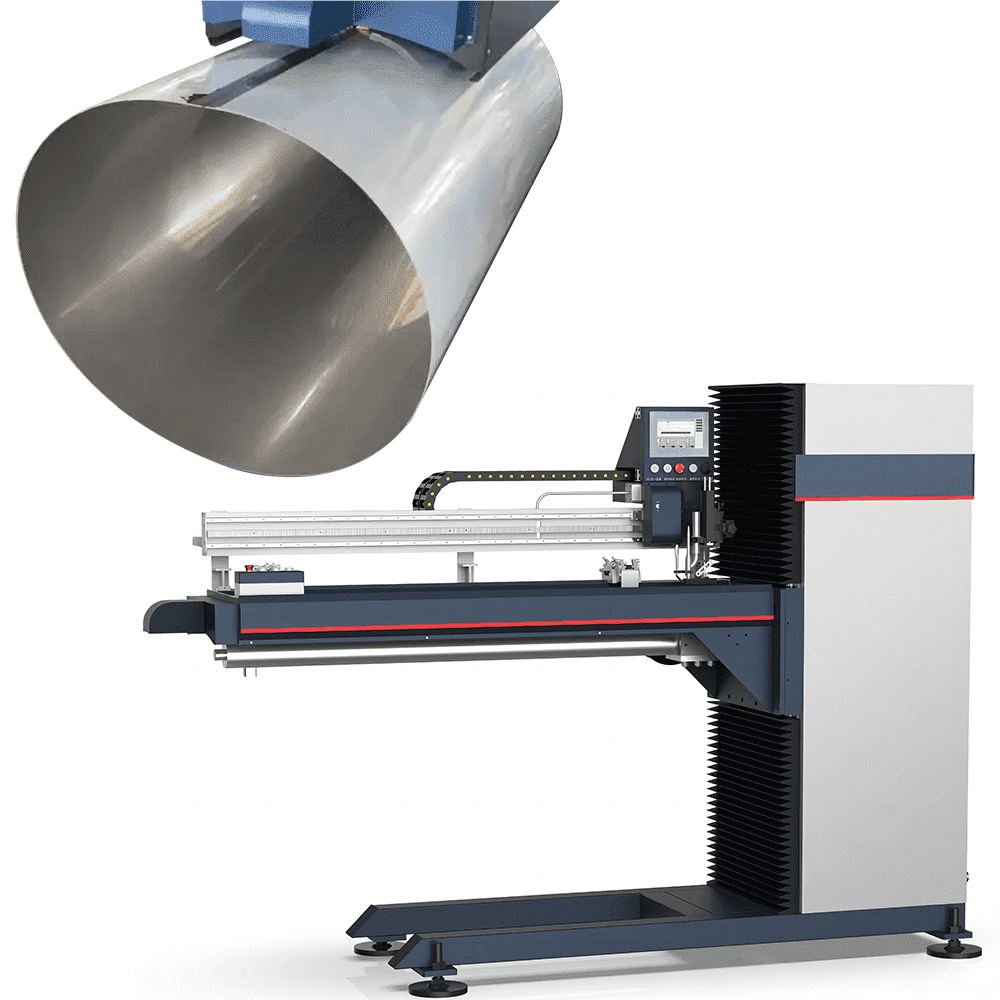
Auto-Seam Welding Machines
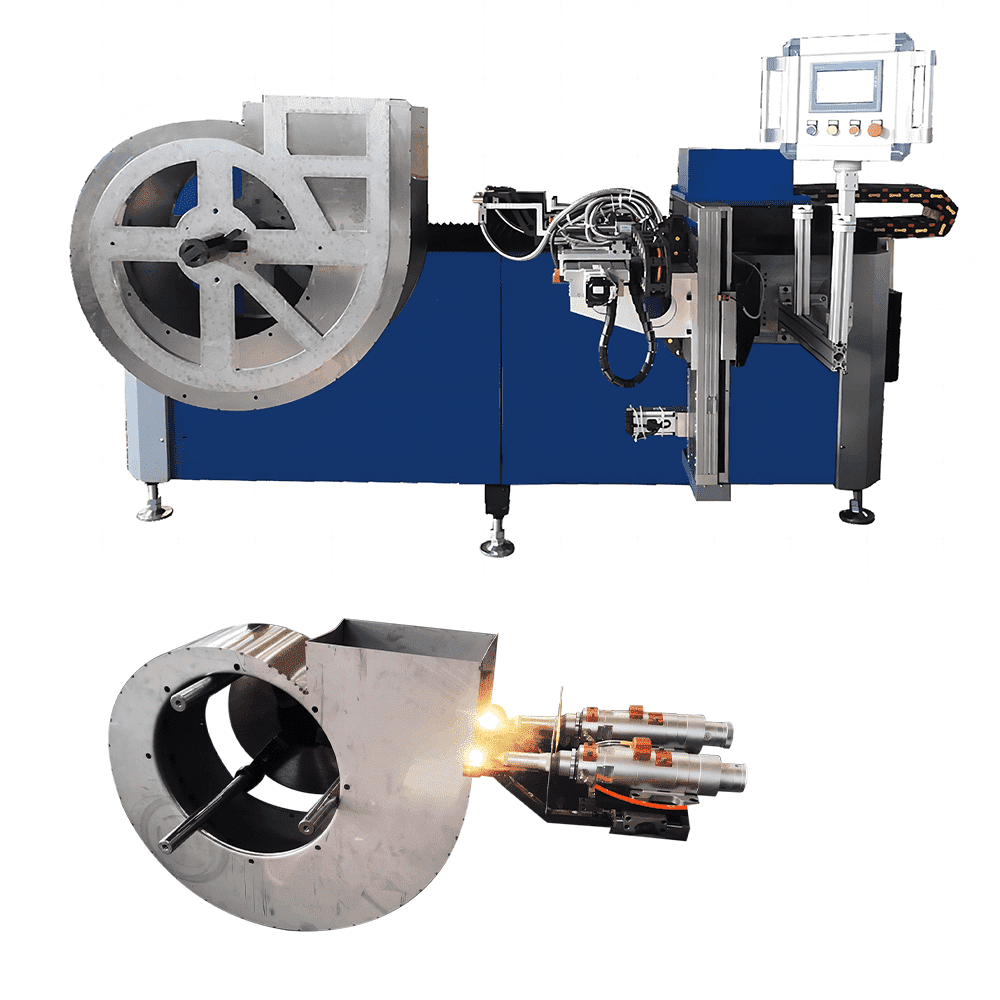
Double-Gun Centrifugal Fan’s Casing Welding Machine