


Pulsed Laser Welding: When Should Manufacturers Upgrade from TIG and MIG Welding?

In precision-driven metal fabrication industries, especially HVAC equipment and industrial equipment manufacturing, TIG and MIG welding remain the most commonly adopted welding processes. However, as manufacturers scale up production and receive more demanding customer orders, traditional welding methods increasingly face challenges including higher labor costs, excessive rework, inconsistent weld quality, and stricter quality acceptance standards.
Pulsed laser welding is not a universal replacement for conventional welding technologies. Instead, it has become a manufacturing upgrade solution for specific production scenarios that require improved welding consistency, reduced thermal distortion, and higher production efficiency.
Three Signs Your Factory Needs to Upgrade from Traditional Welding
Welding quality becomes difficult to control
For thin sheet metal, stainless steel components, and precision parts manufacturing, traditional welding methods can become difficult to control when heat distortion, process variation, and operator dependency affect production consistency. When conventional welding reaches its practical performance limits, manufacturers should consider upgrading to pulsed laser welding.
Through precise energy control, optimized pulse parameters, and repeatable welding procedures, pulsed laser welding converts welding variations into a stable and predictable manufacturing process.

Labor Dependency Limits Production Growth
Manual welding is highly dependent on operator skill, experience, and working efficiency. This reliance makes production expansion more difficult and creates increasing challenges for manufacturers, such as skilled welder shortages, rising labor costs, and unstable production capacity.
Pulsed laser welding helps manufacturers overcome labor limitations by replacing operator-dependent welding with repeatable process control, reducing labor dependency and improving production stability.
Customers Require Higher Manufacturing Standards
For OEM manufacturers serving industries such as medical equipment, automotive components, and electronics, traditional manual welding can become insufficient when customers demand higher standards for weld appearance, production consistency, and delivery performance. In these situations, manufacturers often upgrade to pulsed laser welding to achieve more stable quality control and meet stricter manufacturing requirements.
Pulsed laser welding is not a replacement for every welding process. It becomes valuable when manufacturers need higher precision, lower heat input, and more repeatable production.
What is pulsed laser welding?
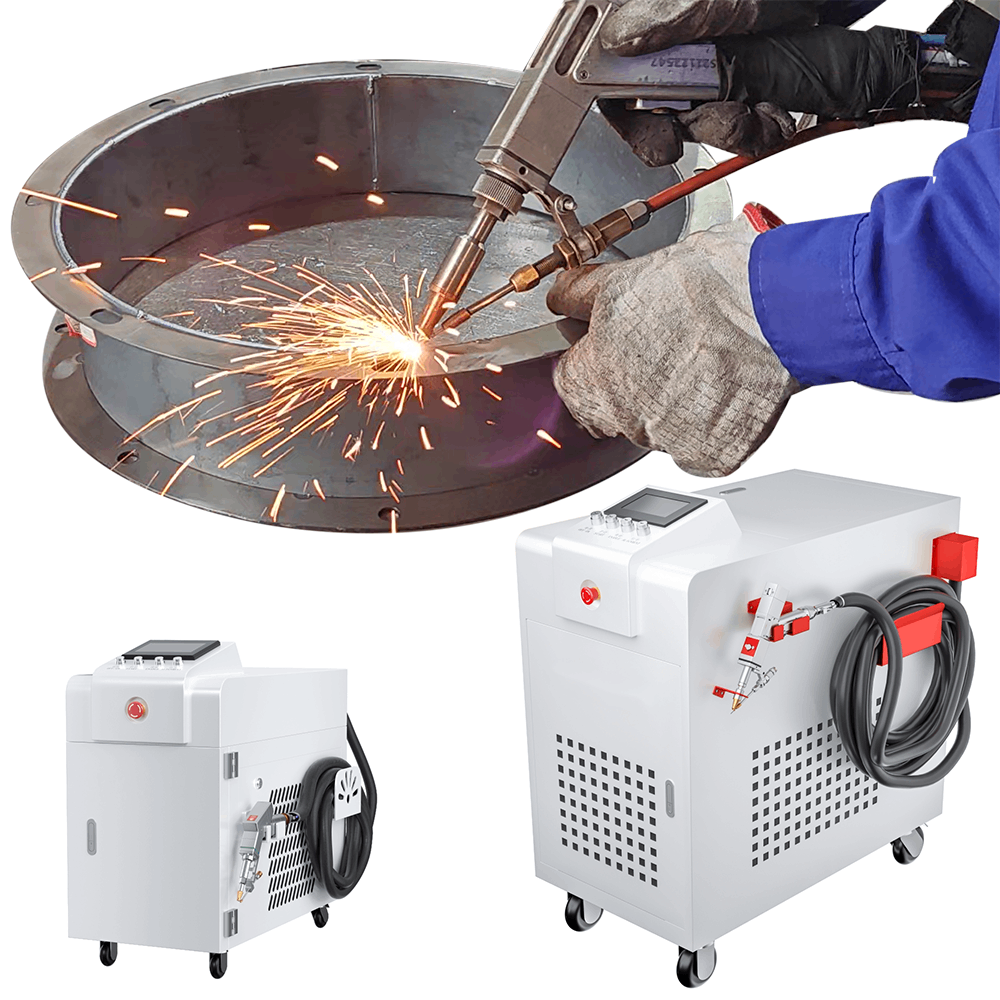
Pulsed Laser Welding is a precision welding process that uses controlled high-energy laser pulses to rapidly melt and join metal materials with minimal heat input.
Compared with TIG and MIG welding, pulsed laser welding provides more precise energy control by concentrating laser power directly on the welding area for a short period of time. This reduces heat distortion, improves dimensional accuracy, and enables more consistent weld quality. As a result, it is widely used for thin sheet metal fabrication, precision components, and manufacturing applications where appearance, accuracy, and production consistency are critical.
What Manufacturing Problems Can Pulsed Laser Welding Solve?
Excessive Welding Distortion in Thin Sheet Metal Applications
In stainless steel fabrication, aluminum processing, and precision sheet metal manufacturing, welding distortion can negatively affect dimensional accuracy and assembly performance, requiring additional correction and rework. These issues increase production time and labor costs. Traditional welding processes often introduce excessive heat input, causing material shrinkage and thermal deformation. Pulsed laser welding minimizes these risks by precisely controlling energy delivery and concentrating heat only in the welding area, resulting in faster melting, rapid cooling, and improved dimensional stability.

Welding Quality Depends Too Much on Skilled Operators
In traditional manual welding, the same product may show differences in weld appearance and quality when produced by different operators. These variations are mainly caused by differences in welding experience, hand control, and operating methods. Pulsed laser welding reduces this dependency by using digitally controlled parameters, transforming welding from an operator-driven process into a standardized and repeatable manufacturing process.
Increasing Welding Costs and Hidden Manufacturing Expenses
Traditional welding processes may seem economical at the early stage of production. However, as manufacturing volume increases, hidden operational costs become more significant, including skilled labor training, rework expenses, scrap losses, and unplanned production downtime.
Production Efficiency Bottlenecks During Business Growth
When production demand increases, the hidden limitations of traditional welding processes become more apparent. Labor dependency, inconsistent cycle times, and limited scalability can prevent manufacturers from achieving stable output.
Pulsed laser welding improves production performance by increasing welding cycle efficiency and enabling integration with automated systems. This helps manufacturers transition from a labor-driven production model to a system-based manufacturing approach with more predictable quality, stable throughput, and scalable production capacity.
How does Pulsed Laser Welding Work?
Step 1: Laser Energy Generation
The laser source generates a high-energy laser beam.
Step 2:Energy Focusing
Through the optical system, the laser beam is precisely focused to concentrate energy on the welding area.
Step 3: Metal Melting and Fusion
The laser pulses rapidly melt the material surface. The molten metal then fuses together and solidifies to form a weld joint.
Step 4: Cooling and Solidification
The heat input is highly concentrated; the cooling process occurs quickly, resulting in finer weld seams
Key Advantages of Pulsed Laser Welding for Manufacturers
Lower Heat Input and Reduced Welding Distortion
Pulsed laser welding reduces thermal distortion by delivering controlled laser energy with lower heat input compared with conventional welding processes. Specialized in stainless steel sheet, Precision sheet metal, and thin-wall components
Better Welding Consistency for mass production
Pulsed laser welding uses digitally controlled parameters, repeatable process settings, and automated welding positioning to ensure consistent weld quality and product stability while reducing defect rates.

Less Post-Welding Processing
Pulsed laser welding produces narrower weld seams, improved surface appearance, and reduced spatter, helping manufacturers minimize post-welding operations such as grinding, polishing, and correction work.
Improved Productivity and Reduced Labor Dependency
Pulsed laser welding reduces reliance on highly skilled welders by combining digitally controlled process parameters with simplified operator involvement. This shortens operator training time, improves production consistency, and provides manufacturers with more stable and scalable production capacity.
Easier Automation Integration
For high-volume manufacturing companies, pulsed laser welding can be integrated with CNC positioning systems, robotic welding systems, and automated production lines, helping manufacturers transition from manual welding operations to automated manufacturing processes.

Pulsed Laser Welding vs TIG vs MIG
|
Comparison Factor |
Pulsed Laser Welding |
TIG Welding |
MIG Welding |
|
Heat Input |
Low |
High |
Medium |
|
Welding Distortion |
Low |
Medium |
Higher |
|
Welding Speed |
Fast |
Slow |
Fast |
|
Automation Capability |
High |
Medium |
High |
|
Thin Sheet Welding Capability |
Excellent |
Excellent |
Limited |
|
Labor Dependency |
Low |
High |
Medium |
Select guide
TIG Welding is suitable for high-quality small batches, ultra-thin materials, and precision welding
MIG welding is suitable for medium-thickness fabrication and high-efficiency production
Pulsed Laser Welding suitable for Consistent mass production, precision sheet metal, and automation upgrades
Pulsed Laser Welding vs Continuous Laser Welding
|
Comparison Factor |
Pulsed Laser Welding |
Continuous Laser Welding |
|
Laser Output Mode |
Pulsed Laser Output |
Continuous Laser Output |
|
Heat Input Control |
Precise Energy Control |
Higher Energy Density |
|
Key Advantage |
Precision Welding with Low Heat Distortion |
High-Speed Welding with Deep Penetration |
|
Suitable Applications |
Thin Sheet Metal & Precision Components |
Medium-Thick Materials & Structural Parts |
|
Typical Industries |
Precision Manufacturing |
Heavy Fabrication & Structural Manufacturing |
For thin materials with high precision, choose Pulsed Laser Welding; for thick plates with high melting depth, choose continuous laser welding
Pulsed Laser Welding Applications: Materials, Thickness Range, and Industry Solutions
Stainless Steel Sheet Metal Fabrication
Common Applications:
Food processing equipment, medical equipment, HVAC components, kitchen equipment, and industrial enclosures.

Typical Materials & Thickness:
Stainless steel sheet, typically 0.5mm–3mm.
Thin stainless steel fabrication Challenges:
- Heat distortion
- Weld discoloration
- Inconsistent weld appearance
- High polishing and finishing cost
The main limitation of traditional TIG welding is excessive heat input, which increases deformation risk and post-welding processing requirements.
Pulsed laser welding is suitable for thin stainless steel fabrication because it provides precise heat control, lower distortion, and consistent weld quality.
Key Benefits:
- Reduced rework and polishing cost
- Improved dimensional accuracy
- Higher production consistency
Aluminum Component Manufacturing
Common Applications:
Automotive components, battery housings, aerospace parts, and lightweight industrial equipment.
Typical Materials & Thickness:
Aluminum alloy, typically 0.8mm–4mm.
Aluminum welding challenges:
- High thermal conductivity
- Heat dispersion
- Welding deformation
- Unstable penetration
Traditional welding often requires experienced operators to maintain stable quality.
Pulsed laser welding improves aluminum fabrication by controlling heat input and reducing distortion in lightweight precision components.
Key Benefits:
- Lower deformation risk
- Improved weld consistency
- Reduced material waste
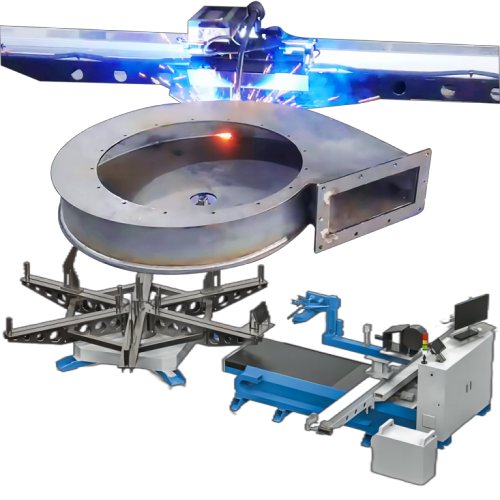
HVAC and Sheet Metal Manufacturing
Common Applications:
HVAC ducts, ventilation equipment, metal housings, and industrial enclosures.
Typical Materials & Thickness:
Galvanized steel, stainless steel, and aluminum, typically 0.5mm–2.5mm.
Manufacturing Challenges:
HVAC manufacturers often face:
- Thin sheet deformation
- Uneven weld appearance
- Leakage risks
- High labor dependency
Traditional welding can create additional correction work and affect assembly accuracy.
Pulsed laser welding helps HVAC manufacturers reduce thin-sheet distortion and improve production consistency through controlled heat input.
Key Benefits:
- Less rework
- Faster production cycles
- Improved batch consistency
Industrial Equipment and OEM Metal Fabrication
Common Applications:
Machine covers, electrical cabinets, precision structures, and custom metal assemblies.
Typical Materials & Thickness:
Stainless steel, carbon steel, and aluminum, typically 1mm–6mm.
Manufacturing Challenges:
OEM manufacturers often struggle with:
- Different weld quality between operators
- Skilled labor shortage
- Frequent product changeover
- Difficulty maintaining consistent quality
The main limitation of manual welding is not the joining capability, but the dependence on operator experience.
Pulsed laser welding helps OEM manufacturers achieve scalable production by replacing operator-dependent welding with controlled and repeatable processes.
Key Benefits:
- Reduced labor dependency
- Improved batch consistency
- Better scalability for OEM production
-
IS Pulsed Laser Welding Worth the Investment?ROI Analysis and Application Limitations
ROI Comes From More Than Welding Speed
The ROI of laser welding goes far beyond increased welding speed. The real value comes from the overall manufacturing improvements achieved through welding process upgrades. By reducing dependence on skilled labor, lowering training costs, minimizing hidden expenses from rework and production downtime, and improving delivery reliability, laser welding enables manufacturers to achieve more stable production performance and compete for higher-value customer markets.
Pulsed Laser Welding ROI Evaluation Model
|
Evaluation Factor |
Traditional Welding |
Pulsed Laser Welding |
|
Heat input |
High |
Low controlled input |
|
Deformation risk |
Higher |
Lower |
|
Operator dependency |
High |
Lower |
|
Rework rate |
Higher |
Reduced |
|
Production consistency |
Variable |
Stable |
|
Long-term scalability |
Limited |
Higher |
When Pulsed Laser Welding May NOT Be the Best Choice
Situation 1: Heavy Thickness Welding
The key strengths of pulsed laser welding are precision, controlled heat input, and minimal thermal distortion. However, for thick carbon steel components or heavy structural fabrication, traditional welding processes such as MIG and SAW may still provide better performance and cost efficiency.

Situation 2: Low Production Volume Without Quality Pressure
For temporary welding applications or small-batch production of simple structures, a standard laser welding solution may be sufficient to meet production requirements.
Situation 3: Highly Variable Manual Fabrication
If product designs change frequently and manufacturers lack standardized production processes, the full benefits of automated laser welding may be difficult to achieve.
Pulsed laser welding is not a replacement for every welding process. It is a manufacturing upgrade solution for factories that need higher precision, lower heat input, and more stable production performance.
How to Choose the Right Pulsed Laser Welding Machine and Supplier
10.1Start with Your Welding Requirements
The right pulsed laser welding machine should be selected based on material, thickness, production volume, and automation requirements rather than equipment specifications alone.
- Material Type
Different materials require different laser energy control.
Stainless Steel

Suitable for:
- Thin sheet welding
- Precision components
- Low distortion applications
Aluminum
Requires:
- Stable pulse parameters
- Precise heat control
Carbon Steel
Focus on:
- Penetration requirements
- Welding strength
- Production efficiency
- Material Thickness Range
|
Thickness Range |
Recommended Direction |
|
0.5–2mm |
Pulsed laser welding for precision thin sheet applications |
|
2–6mm |
Pulsed or continuous laser welding depending on penetration requirements |
|
6mm+ |
Evaluate other welding processes or higher-power laser solutions |
Laser welding selection depends on material thickness, joint design, and penetration requirements rather than thickness alone.
- Production Volume and Automation Level
Manufacturers should choose between handheld and automatic laser welding systems based on production volume, consistency requirements, and future automation goals.
10.2Handheld vs Automatic Pulsed Laser Welding System
Handheld Pulsed Laser Welding offers a lower entry cost, simpler operation, and greater production flexibility. Since it requires fewer dedicated fixtures and has a shorter implementation cycle, it is well-suited for small-batch production and high-mix manufacturing. However, the welding process still depends on operator skills, and production capacity can vary based on individual working efficiency.
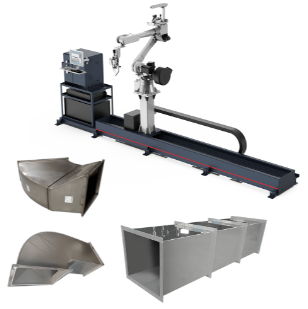
Automatic Pulsed Laser Welding Systems integrate CNC control, robotic positioning, and automated process management to provide stable energy delivery, repeatable weld quality, and higher production throughput. These systems are designed for high-volume and repetitive manufacturing environments. Although the initial investment is higher, they can deliver greater long-term value through improved consistency, reduced labor dependency, and scalable production capability.

10.3Evaluate Supplier Capability Beyond Machine Price
Choosing a laser welding supplier should not focus only on the machine price. Manufacturers should evaluate whether the supplier can provide a complete production solution, including:
- Process engineering based on material, thickness, and production requirements
- Welding testing and parameter optimization
- Automation integration capability
- Technical support and operator training
FAQ
1. Can pulsed laser welding replace TIG welding completely?
No, pulsed laser welding does not completely replace TIG welding in every application. Pulsed laser welding is mainly suitable for manufacturers who need higher productivity, lower heat distortion, and better welding consistency for thin and medium-thickness metal components.
TIG welding is still preferred for highly customized repair work, complex joints, and applications requiring maximum manual control.
2. What maintenance is required for a pulsed laser welding machine?
A pulsed laser welding machine requires regular maintenance, including optical component inspection, lens cleaning, cooling system checks, welding head maintenance, and parameter verification.
Proper maintenance helps maintain welding accuracy, energy stability, and long-term machine performance.
3. Can pulsed laser welding be integrated into an existing production line?
Yes, pulsed laser welding systems can often be integrated into existing manufacturing processes.
For OEM manufacturers, laser welding can be combined with: robotic systems, CNC positioning systems, automatic loading systems, and production monitoring systems
4. What factors affect the cost of a pulsed laser welding system?
The cost of a pulsed laser welding system depends on several factors: laser power, welding speed requirements, automation level, cooling system, welding fixtures, and integration requirements
For industrial manufacturers, the purchase price is only one part of the investment. Labor reduction, defect reduction, and productivity improvement are usually more important factors in evaluating ROI.
5. What industries benefit most from pulsed laser welding?
Industries that benefit most from pulsed laser welding usually require high precision, low distortion, and stable production quality, including HVAC manufacturing, stainless steel fabrication, automotive components, medical equipment, electronics manufacturing, and industrial equipment production
The technology is especially valuable when manufacturers need to improve consistency while reducing dependence on skilled welders.
Conclusion
If your factory is facing unstable welding quality, increasing labor costs, or difficulty scaling production, pulsed laser welding may be the next step toward a more efficient manufacturing system.
Altron provides customized laser welding solutions based on your product requirements, from system design to machine selection and operator training. Contact us for a professional welding process evaluation and find the right laser welding solution for your manufacturing needs.

Related Products
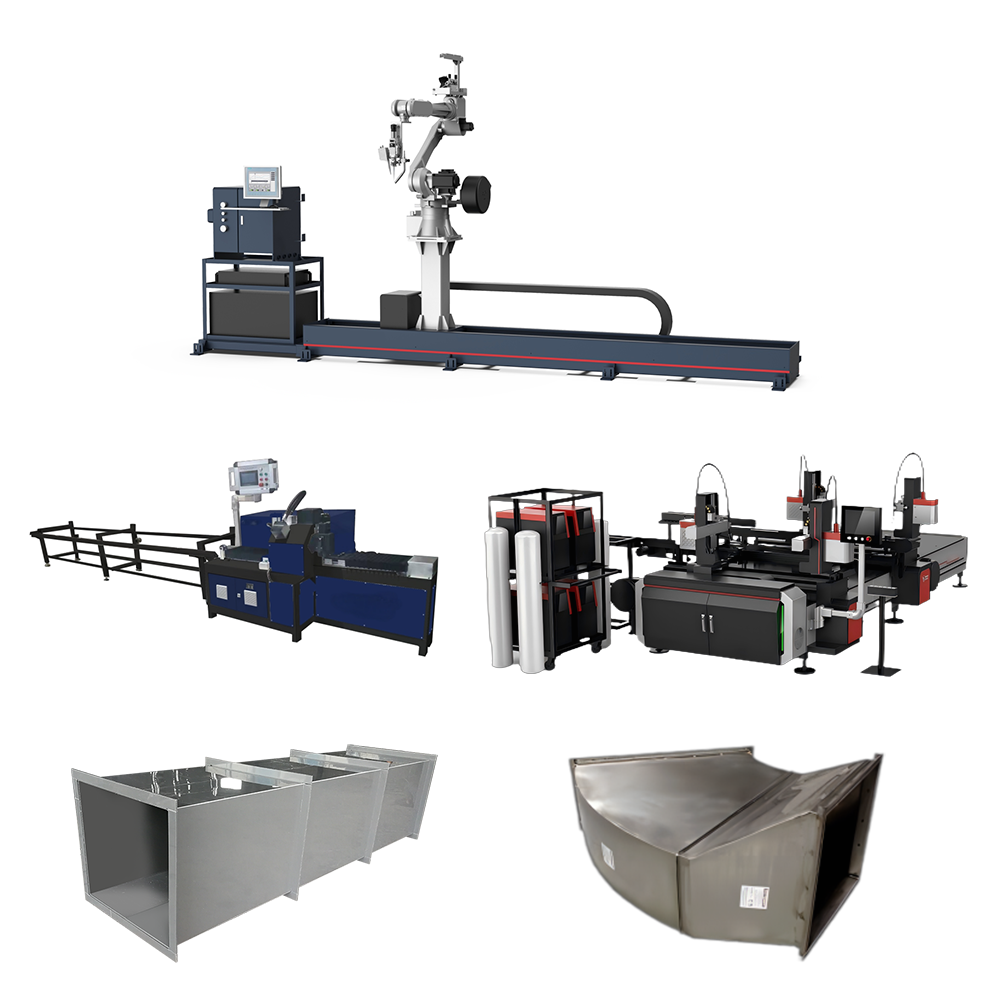
Robotic Laser Welding Machine
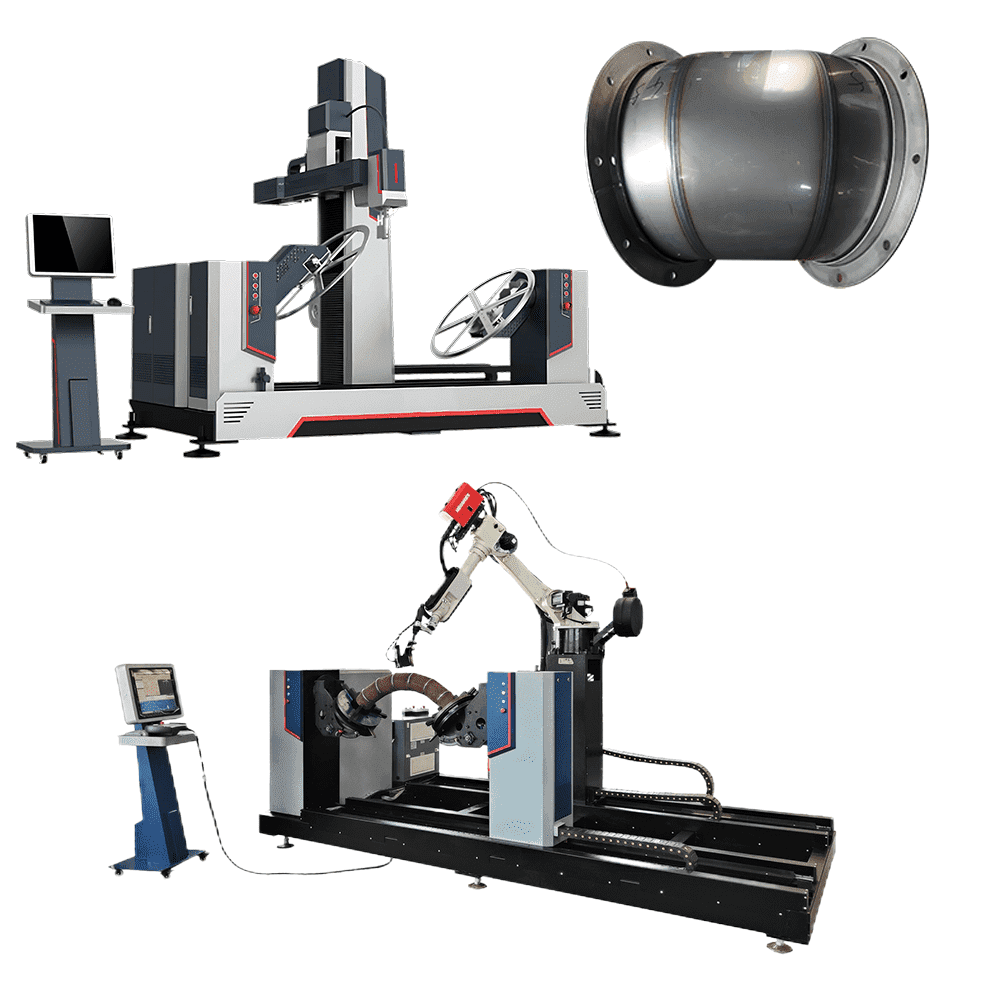
Elbow Ducts Robotic Welding Machines
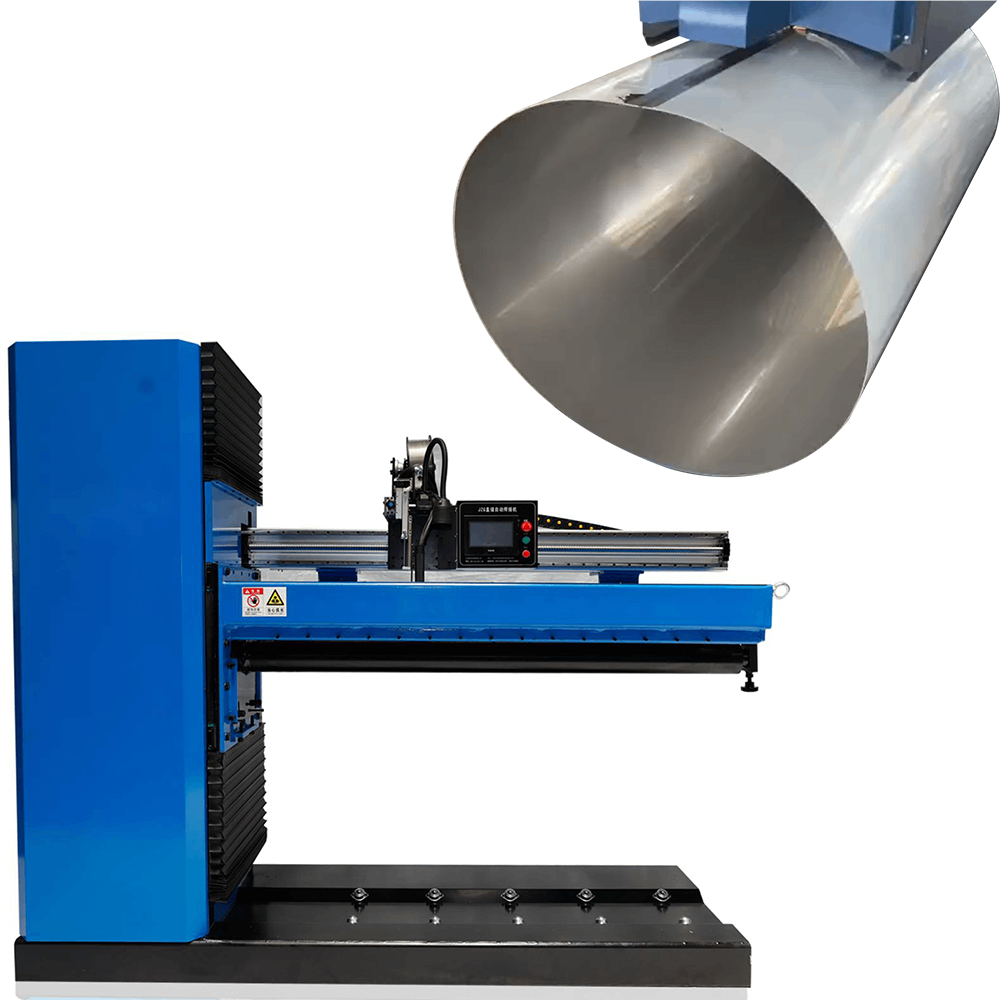
Customized Lift-Type Seam Auto Welding Solution